
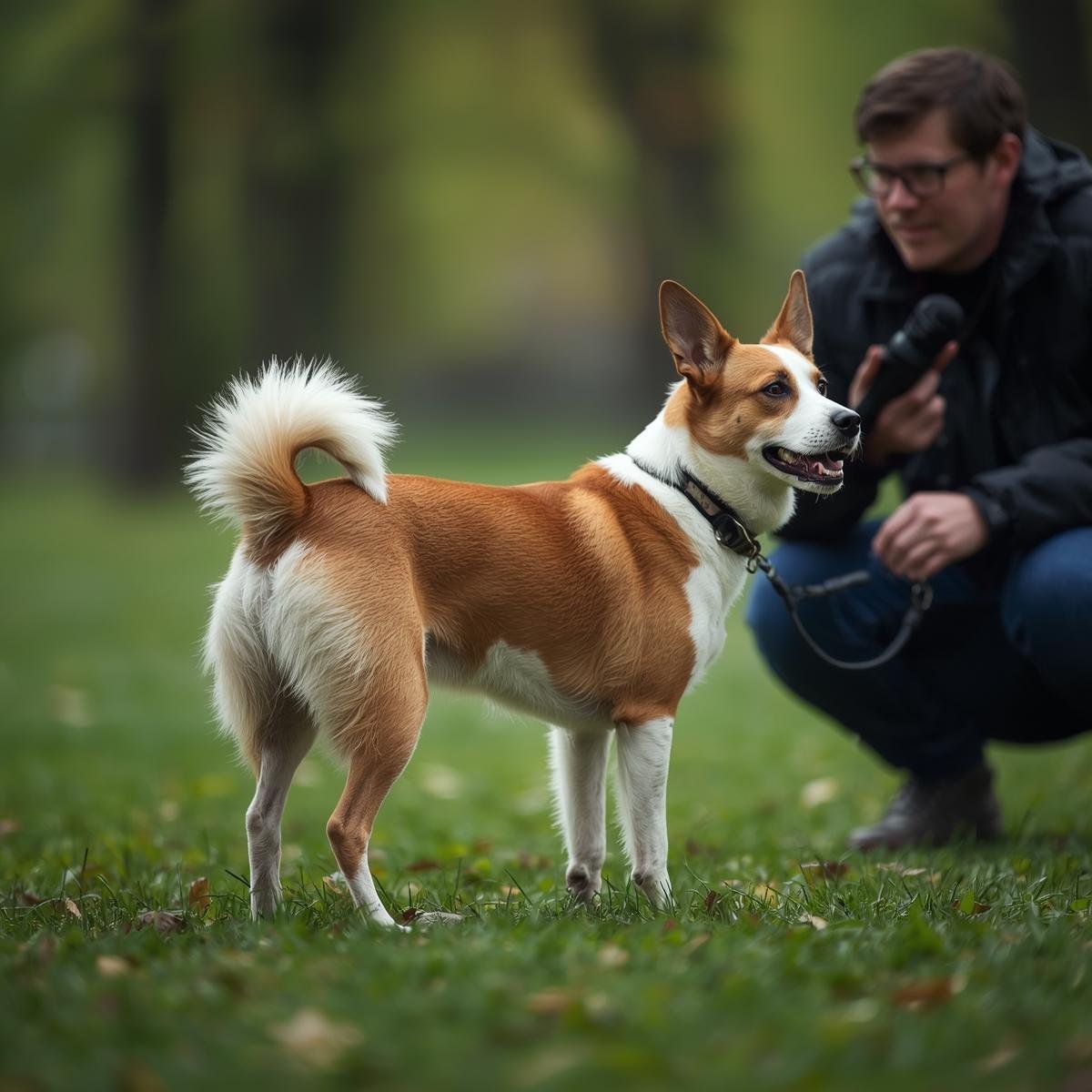
Understanding dog body language and communication signals is essential for building a strong relationship between owner and dog. Dogs communicate through posture, facial expression, tail movement, ear position, and vocal signals. They rely more on body language than words. Learning to read these signals helps prevent behavior problems, supports training, and improves safety.
This guide explains how to interpret common dog communication signals and respond appropriately.
Why Dog Body Language Matters
Dogs express emotions through physical cues. Misinterpreting these signals can lead to conflict, fear, or aggression. When owners understand communication signals, they can:
- Prevent misunderstandings
- Reduce risk of bites
- Improve obedience training
- Support socialization
- Build trust
Observation is the foundation of understanding behavior.
The Importance Of Context
No single body signal should be interpreted alone. Context matters. A wagging tail may signal excitement, but it can also signal tension depending on posture and environment.
Always observe:
- Overall posture
- Movement speed
- Environment
- Trigger present
- Facial expression
Communication is a combination of signals, not a single gesture.
Tail Position And Movement
Tail signals vary depending on height and motion.
- High tail position: Alertness or arousal
- Neutral tail position: Relaxed state
- Low or tucked tail: Fear or submission
- Slow wag: Uncertainty
- Fast wag with stiff body: High excitement or tension
A relaxed body combined with wagging usually signals friendly intent.
Ear Position
Ears reflect emotional state.
- Ears forward: Alert or focused
- Ears back slightly: Uncertainty or submission
- Ears flattened against head: Fear or stress
Different breeds have different ear shapes, so observe natural resting position for comparison.
Eye Contact And Facial Expression
Eyes communicate attention and emotion.
- Soft eyes: Calm and relaxed
- Direct hard stare: Challenge or tension
- Avoiding eye contact: Submission or discomfort
- Whale eye (showing whites): Anxiety or fear
Blinking or turning head away can be calming signals.
Mouth And Lip Signals
Mouth position indicates mood.
- Relaxed open mouth: Calm
- Closed tight mouth: Alert or tense
- Lip licking without food: Stress signal
- Yawning without tiredness: Anxiety signal
- Growling with exposed teeth: Warning
Growling is communication. It signals discomfort. Punishing growling may suppress warning signs without resolving the issue.
Body Posture
Posture reveals confidence or fear.
- Loose posture: Relaxed
- Stiff posture: Tension
- Play bow: Invitation to play
- Crouching low: Fear
- Leaning forward with weight shifted: Potential challenge
Observe muscle tension for accurate interpretation.
Play Behavior Signals
Play behavior includes:
- Play bow
- Bouncy movement
- Quick changes in direction
- Open mouth with relaxed jaw
During play, dogs may growl or nip lightly. Context and body posture determine whether behavior is playful or aggressive.
Stress And Calming Signals
Dogs use calming signals to reduce tension.
Common signals include:
- Turning head away
- Sniffing ground
- Yawning
- Lip licking
- Moving slowly
Recognizing stress signals helps prevent escalation into aggression.
Signs Of Fear
Fear signals may include:
- Tucked tail
- Flattened ears
- Crouched posture
- Trembling
- Attempting to hide
When fear signals appear, create space and reduce exposure to triggers.
Signs Of Aggression
Aggression signals may include:
- Stiff body
- Hard eye contact
- Raised hackles
- Growling
- Snapping
Early recognition allows intervention before escalation.
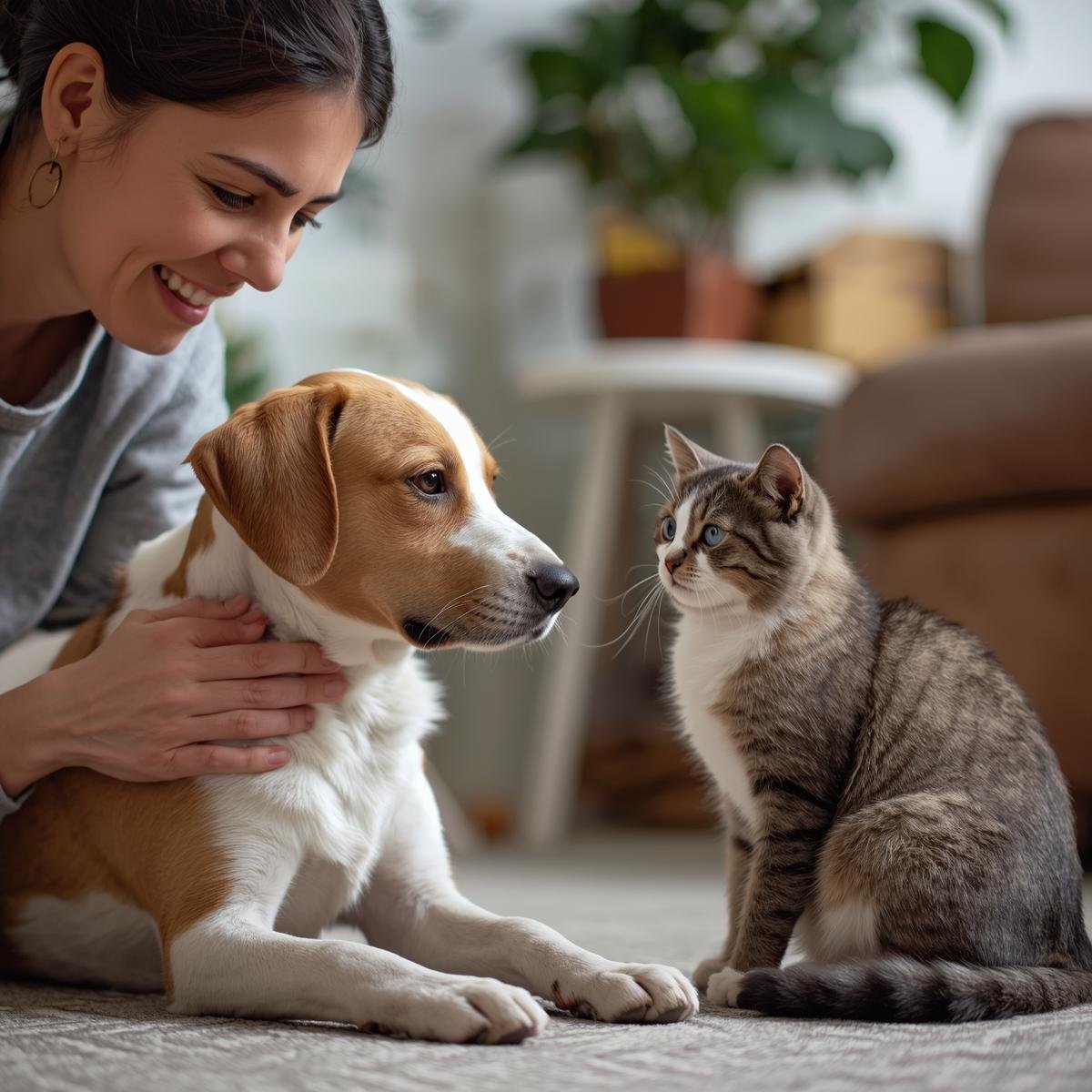
Communication Between Dogs
Dogs communicate clearly with each other through posture and movement.
Healthy interaction includes:
- Play bows
- Role reversal during play
- Pauses in action
- Loose body posture
Intervene if play becomes stiff or tense.
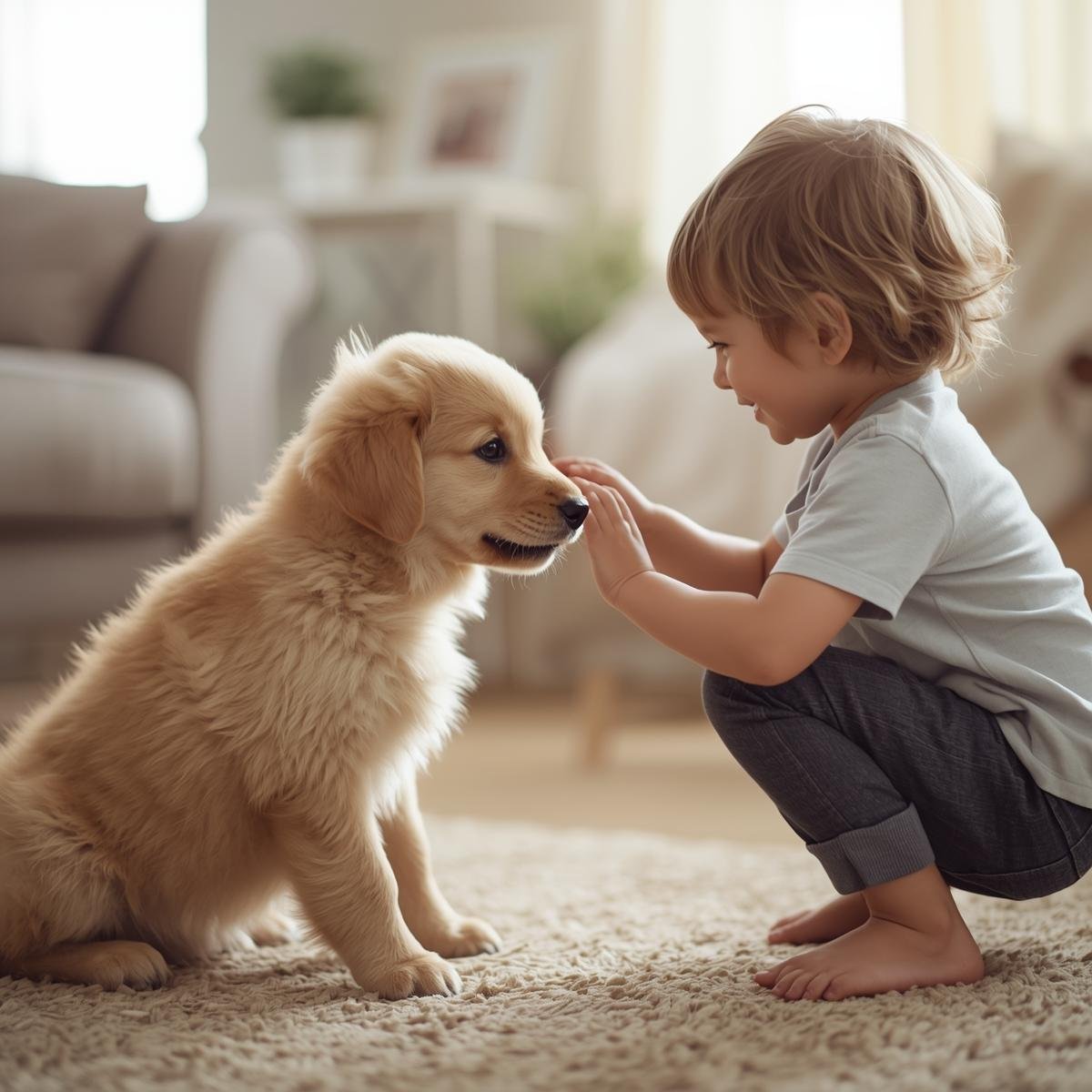
Teaching Children To Read Signals
Children should learn to recognize:
- Avoid approaching a dog while eating
- Do not disturb a resting dog
- Watch for stiff posture or growling
- Respect space
Education prevents accidents.
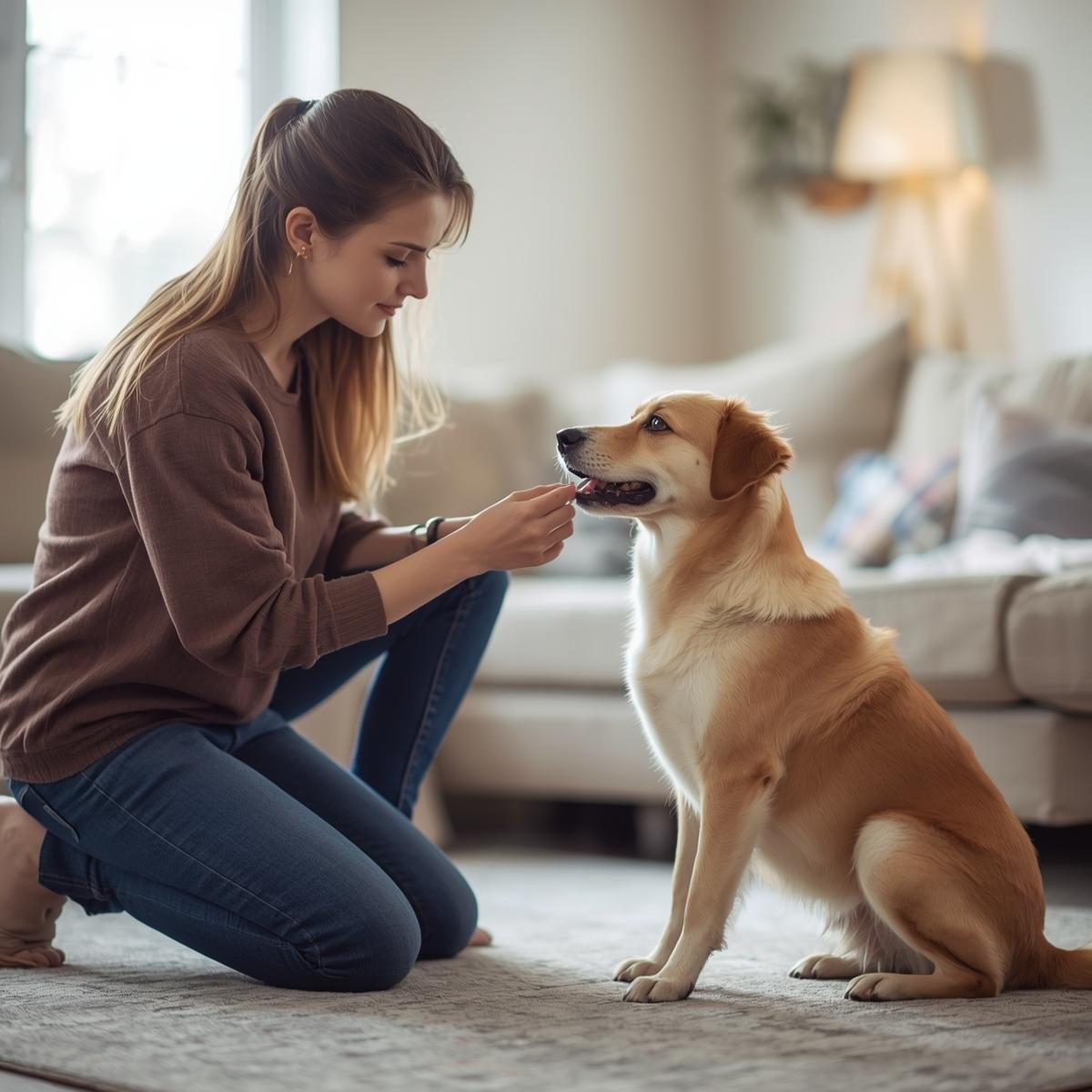
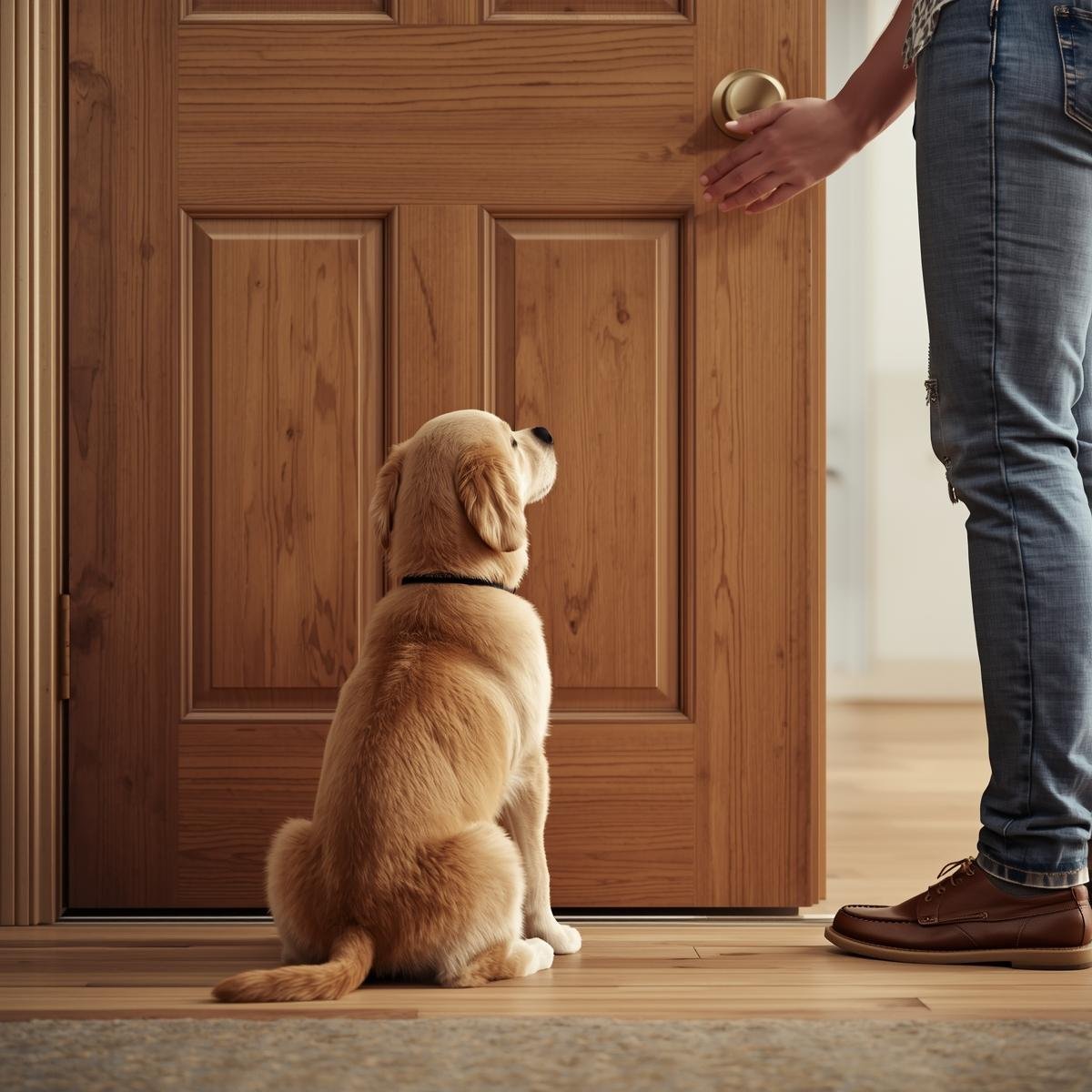
Using Body Language In Training
Owners can use their own body language:
- Stand upright for authority
- Avoid looming over fearful dogs
- Use calm movement
- Maintain steady posture
Dogs respond to posture as much as verbal commands.
Observing Patterns
Keep notes on:
- When certain signals appear
- Triggers that cause stress
- Duration of reactions
- Progress over time
Patterns help guide training decisions.
Improving Communication Through Training
Training enhances communication:
- Teach focus commands
- Reward calm behavior
- Reinforce desired responses
- Use consistent cues
Clear communication reduces confusion.
When To Seek Professional Guidance
If signals include frequent aggression, fear responses, or unpredictable behavior, consult a professional trainer or behavior specialist.
Early support prevents escalation.
Conclusion
Understanding dog body language and communication signals builds trust and safety. Observing posture, tail movement, ear position, eye contact, and facial cues allows owners to respond appropriately. Clear communication prevents conflict and strengthens the relationship between dog and owner.
Learning to read signals is a continuous process that improves over time with attention and consistency.


Leave a Reply