

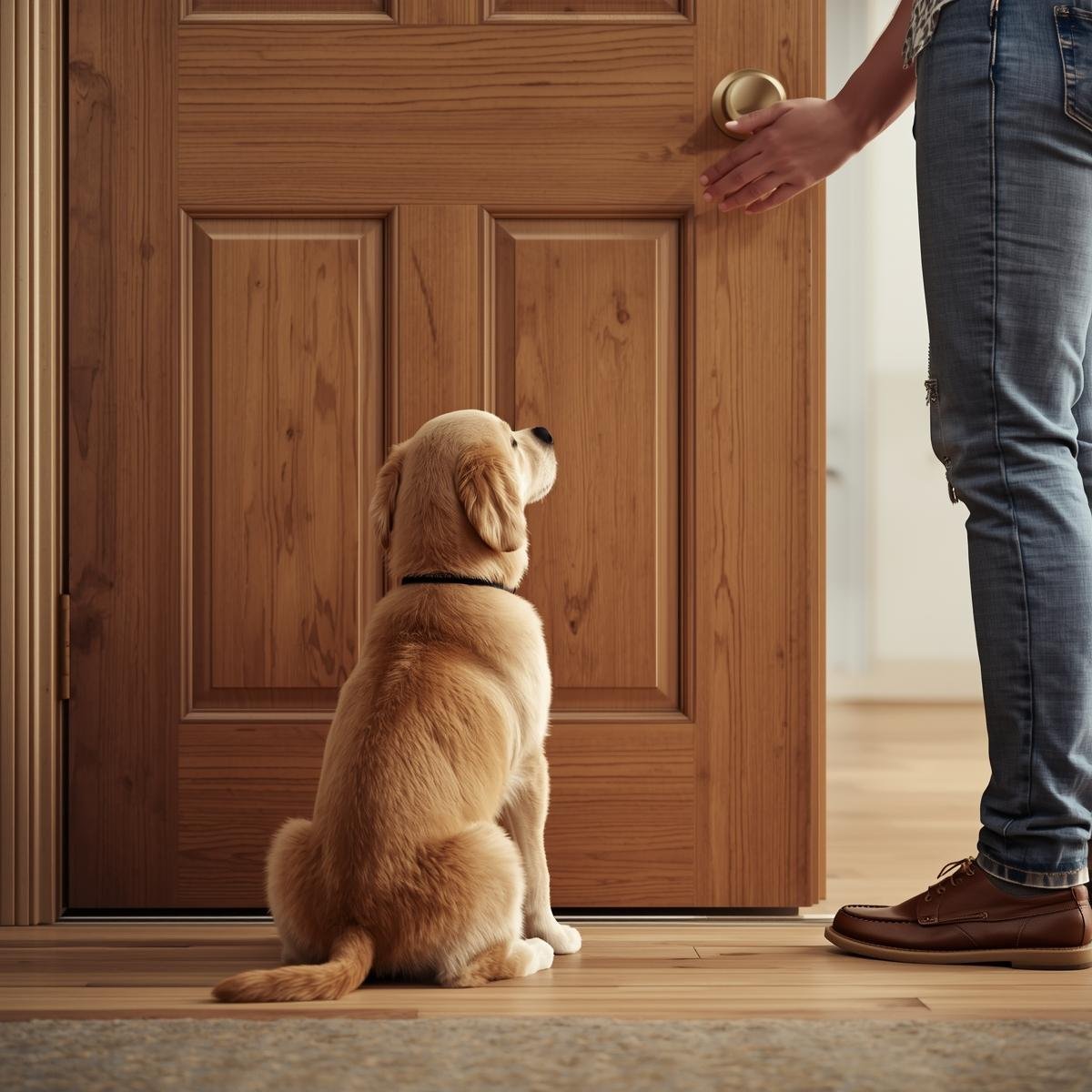
Potty training is one of the first responsibilities in puppy ownership. A structured potty training schedule builds consistency, prevents indoor accidents, and teaches the puppy where elimination is appropriate. Success depends on timing, supervision, repetition, and reinforcement.
This guide explains how to create and maintain a potty training schedule that supports reliable results.
Why Consistency Matters In Potty Training
Dogs learn through repetition and routine. When bathroom breaks happen at predictable times and in the same location, the puppy begins to associate that place and time with elimination. Inconsistent timing leads to confusion and accidents.
A structured schedule builds clear expectations.
Understanding Puppy Bladder Control
Young puppies have limited bladder control. General guideline:
- 8–10 weeks: 1 hour
- 10–12 weeks: 2 hours
- 3–4 months: 3–4 hours
This guideline helps determine frequency of outdoor trips.
Core Elements Of A Potty Training Schedule
A strong schedule includes:
- Fixed feeding times
- Frequent outdoor trips
- Supervision indoors
- Designated potty area
- Immediate reward after elimination
Each element reinforces learning.
Step One: Establish Feeding Times
Feed at the same times each day. Scheduled feeding leads to predictable digestion and elimination patterns.
Example schedule:
Morning: 7:00 AM
Afternoon: 1:00 PM
Evening: 6:00 PM
Remove uneaten food after 20 minutes to maintain routine.
Step Two: Timed Outdoor Breaks
Take the puppy outside:
- First thing in the morning
- After each meal
- After drinking water
- After naps
- After play sessions
- Before bedtime
Frequent trips prevent accidents.
Step Three: Use A Designated Potty Spot
Choose one specific outdoor location. Always guide the puppy to the same area. Familiar scent cues encourage elimination in that spot.
Stand still and allow time for the puppy to circle and sniff.
Step Four: Use A Verbal Cue
When the puppy begins to eliminate, say a consistent phrase such as “go potty.” Over time, the puppy will associate the phrase with the action.
This cue becomes useful during travel or bad weather.
Step Five: Immediate Reward
After successful elimination:
- Offer a small treat
- Use verbal praise
- Provide calm petting
Reward must occur immediately after finishing.
Managing Indoor Supervision
When inside, supervise closely. Signs that a puppy needs to go out include:
- Sniffing the floor
- Circling
- Whining
- Moving toward the door
If supervision is not possible, use a crate or playpen.
Crate Use In Potty Training
Dogs avoid eliminating where they sleep. A properly sized crate helps:
- Prevent accidents
- Build bladder control
- Encourage scheduled elimination
Do not use the crate for punishment.
Handling Accidents Correctly
Accidents happen during training. When they occur:
- Clean thoroughly to remove odor
- Avoid punishment
- Review schedule timing
Punishment creates fear and confusion.
Nighttime Potty Routine
Young puppies may need one nighttime break.
- Keep lights low
- Avoid play
- Take directly to potty area
- Return calmly to sleeping area
Gradually extend nighttime intervals as control improves.
Transitioning To Longer Intervals
As the puppy grows:
- Increase time between breaks
- Monitor success
- Maintain feeding schedule
Progress gradually to prevent regression.
Weather And Environmental Challenges
In rain or cold conditions:
- Maintain schedule
- Use covered area if available
- Keep leash short
- Reward quickly
Skipping trips disrupts routine.
Travel And Potty Training
When traveling:
- Follow same feeding schedule
- Locate potty area immediately
- Maintain verbal cue
- Supervise closely
Consistency in new locations supports learning.
Signs Of Potty Training Success
Indicators include:
- Puppy signals at door
- Fewer accidents
- Dry crate overnight
- Elimination shortly after being taken outside
Consistency leads to predictable behavior.
Common Potty Training Mistakes
- Free feeding
- Irregular outdoor trips
- Large crate size
- Delayed reward
- Punishing accidents
Avoiding these errors accelerates progress.
When To Consult A Veterinarian
If frequent accidents continue despite structured training, consult a veterinarian to rule out:
- Urinary tract infection
- Digestive issues
- Medical concerns
Health evaluation ensures proper diagnosis.
Long Term Maintenance
Continue routine even after full training:
- Maintain feeding schedule
- Reinforce verbal cue
- Provide regular outdoor access
Stable habits prevent setbacks.
Conclusion
A potty training schedule that builds consistency relies on routine, supervision, and reinforcement. By setting fixed feeding times, scheduling frequent outdoor breaks, using a designated potty area, and rewarding success immediately, owners create a clear learning process. Consistency supports bladder control, reduces accidents, and establishes reliable house habits.

Leave a Reply