

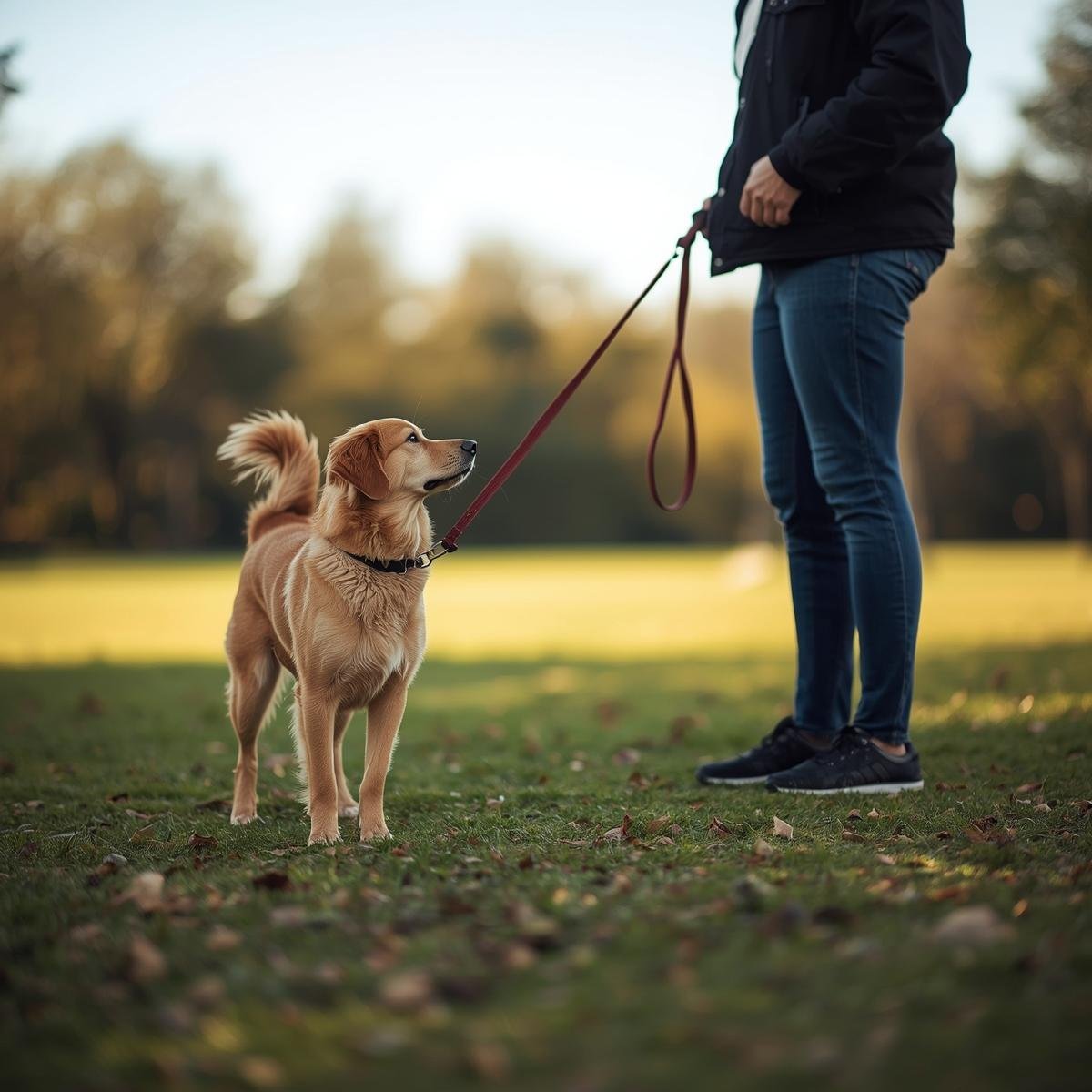
Off leash training is an essential skill for dog owners who want their dogs to enjoy freedom while remaining safe and responsive. Reliable recall ensures that a dog returns immediately when called, even in distracting environments. Training off leash is not about control alone; it is about communication, trust, and consistent practice.
This guide explains step-by-step strategies for building a dependable off leash recall.
Why Off Leash Recall Matters
Off leash recall is critical for:
- Safety near roads, wildlife, or other animals
- Freedom to explore without restraint
- Controlled social interactions with other dogs
- Preventing loss or separation
- Strengthening the owner-dog bond
A dog that reliably returns when called enjoys more freedom while remaining safe.
Prerequisites For Off Leash Training
Before attempting off leash training, ensure the dog:
- Responds reliably to basic commands such as sit, stay, and come
- Has experience with leash training and controlled recall
- Is familiar with verbal cues and hand signals
- Is in a safe, enclosed training area initially
Training without these foundations can lead to unsafe situations.
Choosing A Recall Command
Select a clear, consistent word or phrase for recall. Common commands include:
- “Come”
- “Here”
- “Back”
Always use the same word. Avoid multiple recall words as they create confusion.
Using Positive Reinforcement
Reliable recall depends on rewards. Positive reinforcement strengthens behavior.
Rewards may include:
- High-value treats
- Verbal praise
- Playtime
- Physical affection
The reward must follow immediately when the dog returns. Timing is critical for learning.
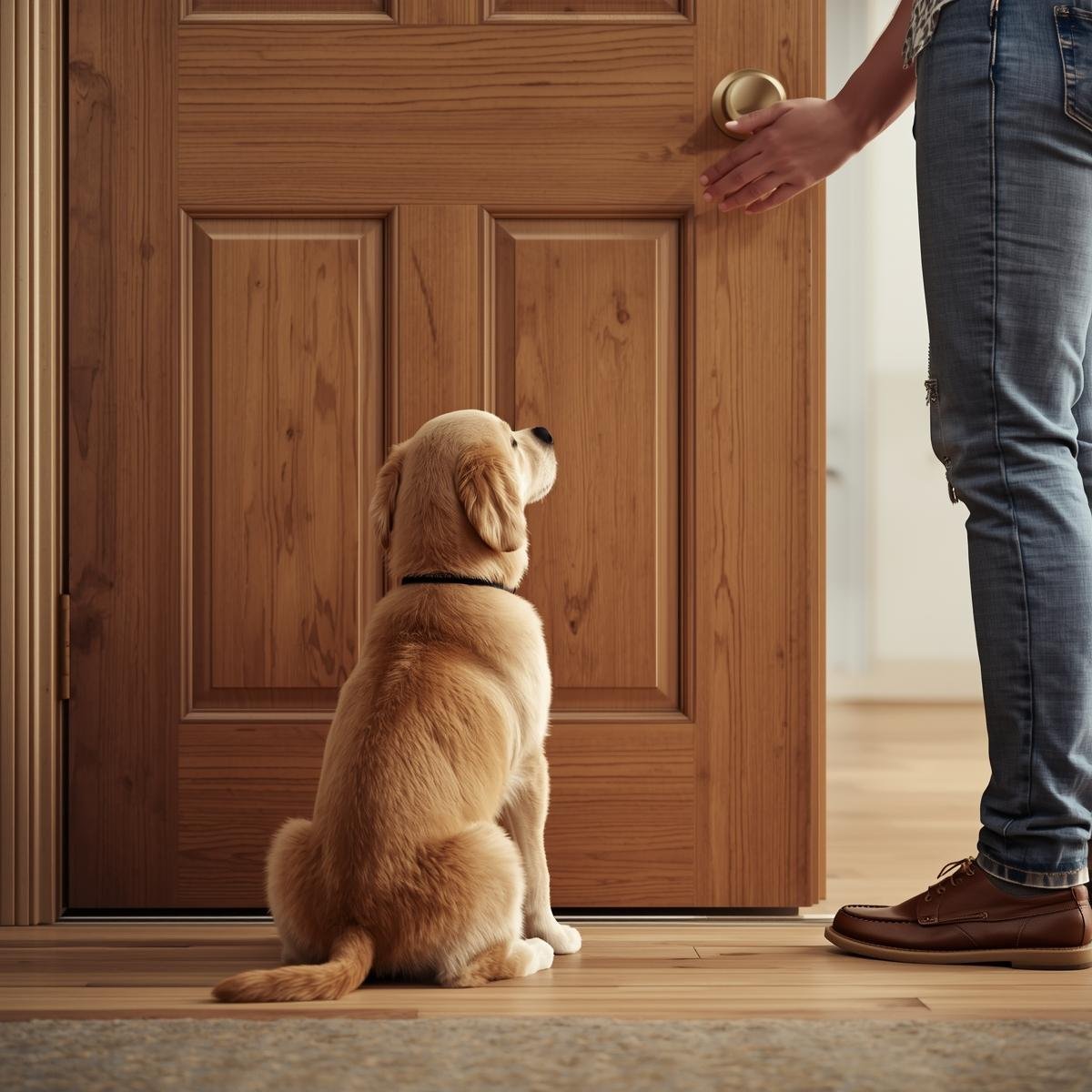
Step 1: Start Indoors
Begin recall training in a low-distraction environment:
- Call the dog from a short distance
- Use an enthusiastic tone
- Reward immediately when the dog comes
Repeat several times, gradually increasing distance within the room.
Step 2: Move to a Fenced Area
Once indoor recall is reliable:
- Practice in a secure, enclosed yard or fenced park
- Increase distance gradually
- Introduce minor distractions like toys or household noises
- Reward every successful return
Controlled outdoor practice prepares the dog for real-world conditions.
Step 3: Introduce Long Line
A long line or training lead allows distance control:
- Let the dog explore within line limits
- Call the dog back periodically
- Reward for prompt response
- Gently guide if needed
The long line ensures safety while reinforcing recall.
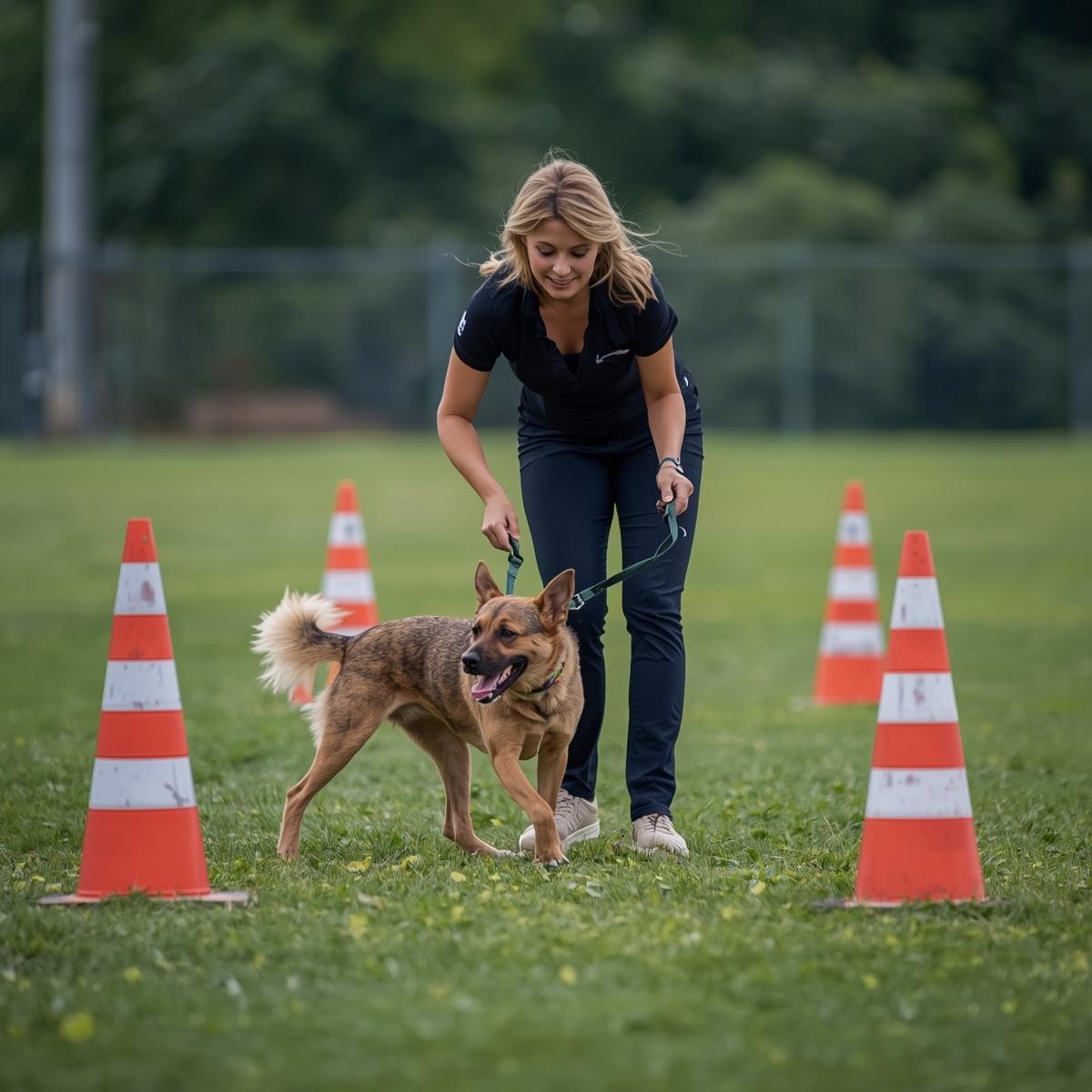
Step 4: Add Distractions Gradually
Dogs often fail recall when distracted. Gradually increase challenge:
- Other dogs at a distance
- People walking nearby
- Noisy environments
- Toys or food
Reward calm, focused returns. Reduce distance or distraction if the dog fails consistently, then retry.
Step 5: Use Hand Signals
Visual cues improve off leash control:
- Open palm facing dog for recall
- Arm sweep as an optional reinforcement
- Combine verbal command with hand signal initially
Over time, the dog may respond to signals alone.
Step 6: Practice Random Recall
Once basic recall is consistent:
- Call the dog unpredictably during play
- Reward immediately when the dog responds
- Avoid predictable recall patterns to prevent ignoring commands
Random recall reinforces attentiveness and reliability.
Avoiding Common Mistakes
- Never punish after a recall. Punishment reduces motivation.
- Avoid calling the dog only to end fun. Mix positive experiences.
- Do not extend training sessions excessively; short, frequent sessions work best.
- Ensure the dog is motivated with high-value rewards for off leash sessions.
Consistency and patience are key.
Teaching Recall With Multiple Dogs
When training multiple dogs:
- Practice recall individually first
- Introduce group recalls in controlled settings
- Reward each dog separately for returning promptly
- Maintain order and avoid competition over treats
Group training requires clear structure.
Maintaining Reliability Over Time
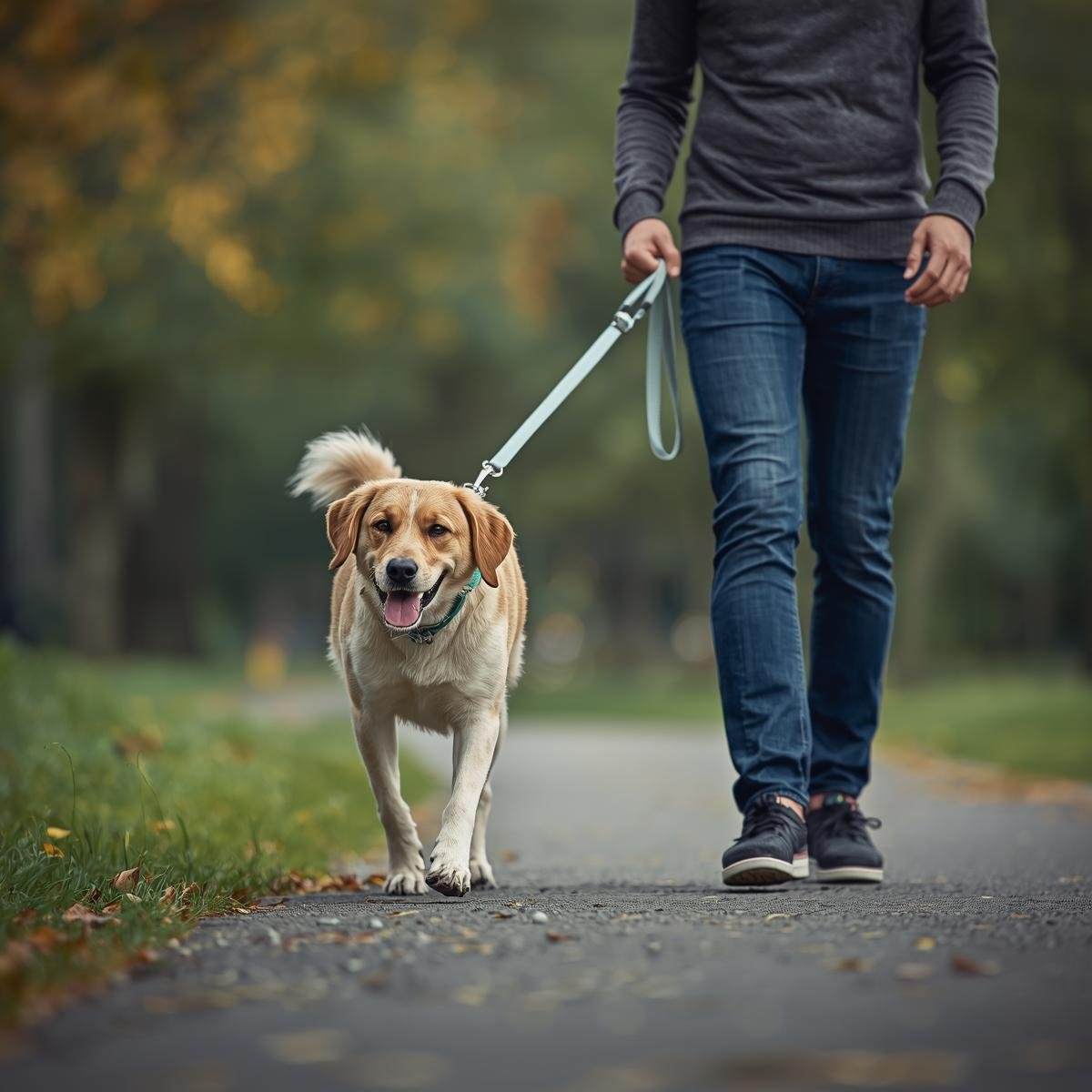
Off leash recall is a lifelong skill:
- Practice regularly
- Introduce new environments gradually
- Keep rewards varied
- Continue reinforcing basic obedience commands
- Monitor for distraction regression and address quickly
Consistent reinforcement ensures long-term reliability.
Safety Tips During Off Leash Training
- Use safe, enclosed areas initially
- Avoid busy roads until recall is proven
- Supervise interactions with other animals
- Know your dog’s limits regarding distractions and environment
Safety prevents accidents and builds confidence for both owner and dog.
Tracking Progress
Track improvements:
- Response time after command
- Distance covered
- Level of distractions tolerated
- Success rate per session
Documenting progress helps adjust training strategies.
Benefits Of Reliable Off Leash Recall
- Greater freedom and exercise for the dog
- Improved safety in uncontrolled environments
- Stronger trust between dog and owner
- Reduced stress during walks and outings
- Easier management of group interactions
Reliable recall makes outdoor experiences enjoyable and controlled.
Final Thoughts On Off Leash Training Strategies
Off leash recall is a combination of trust, consistency, and structured training. Start in controlled environments, gradually increase distance and distractions, and use positive reinforcement. Avoid punishment and focus on building a bond that motivates the dog to return reliably.
With patience and repeated practice, your dog will enjoy freedom while responding promptly to your commands, ensuring safety and enjoyable interactions for both owner and dog.




Leave a Reply