

Separation anxiety in dogs is a behavioral condition that occurs when a dog experiences distress during absence of its owner. This condition can lead to barking, destructive behavior, pacing, house soiling, or attempts to escape. Managing separation anxiety requires structure, consistency, and gradual training.
A routine based approach helps reduce stress by creating predictability and stability.
Understanding Separation Anxiety
Separation anxiety is not simple disobedience. It is a response to isolation or fear of being alone. Dogs form attachments to their owners. When sudden absence occurs without preparation, anxiety may develop.
Common signs include:
- Continuous barking or howling
- Scratching at doors
- Chewing furniture
- Pacing
- Excessive drooling
- Urinating indoors despite house training
Identifying these signs early improves success in training.
The Role Of Routine In Anxiety Reduction
Dogs rely on patterns. When daily life follows a predictable schedule, stress levels decrease. Routine reduces uncertainty, which is often a major cause of anxiety.
A structured routine includes:
- Fixed feeding times
- Scheduled walks
- Consistent departure cues
- Planned alone time practice
- Predictable sleep schedule
Consistency builds stability.
Step One: Establish A Daily Schedule
Create a daily structure:
Morning
- Short walk
- Feeding
- Calm interaction
Midday
- Rest period
- Mental stimulation toy
Evening
- Exercise session
- Training practice
- Feeding
- Calm wind down period
A balanced schedule supports physical and mental needs.
Step Two: Practice Short Departures
Begin with brief separations.
- Leave the room for a few seconds.
- Return calmly.
- Gradually increase duration.
Avoid dramatic greetings or departures. Neutral behavior prevents emotional spikes.
Step Three: Desensitize Departure Cues
Dogs often react to signals such as:
- Picking up keys
- Putting on shoes
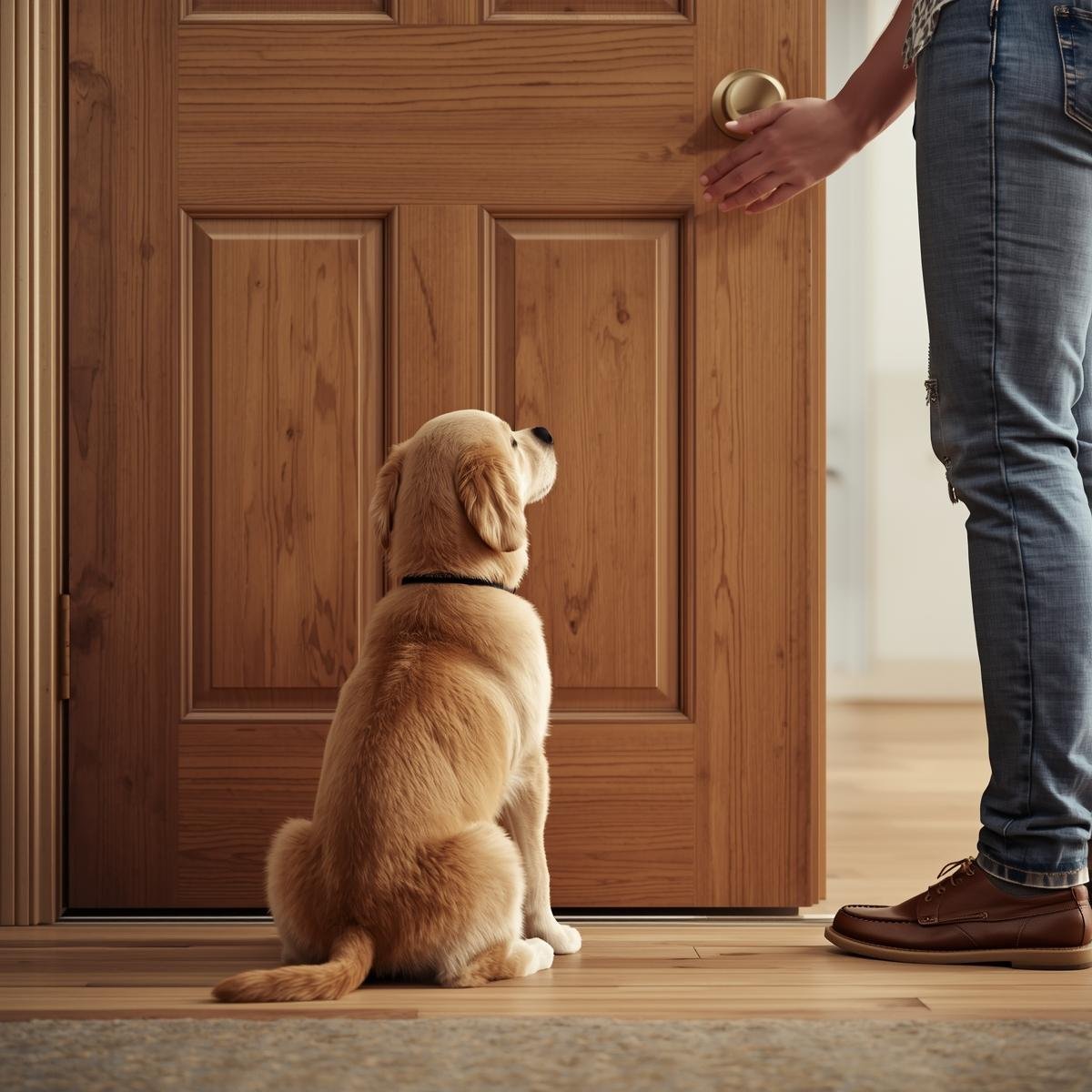
- Opening doors
Practice these actions without leaving. Repeat until the dog stops reacting. This removes association between cues and long absence.
Step Four: Create A Safe Space
Provide a designated area:
- Crate if crate trained
- Bed in a quiet room
- Access to water
- Familiar toy
The space should be associated with calm and rest.
Step Five: Use Mental Stimulation Before Departure
Before leaving:
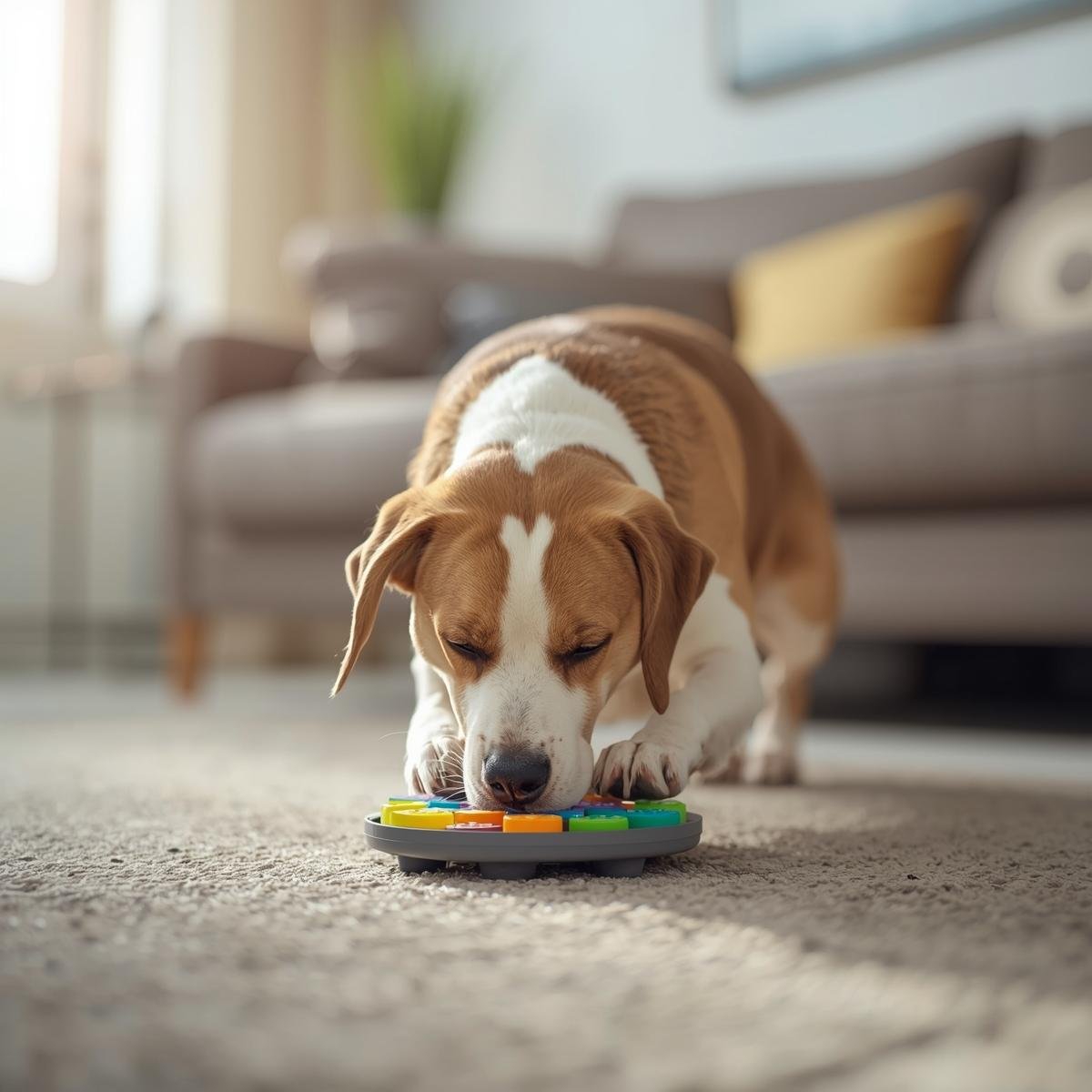
- Provide a food puzzle
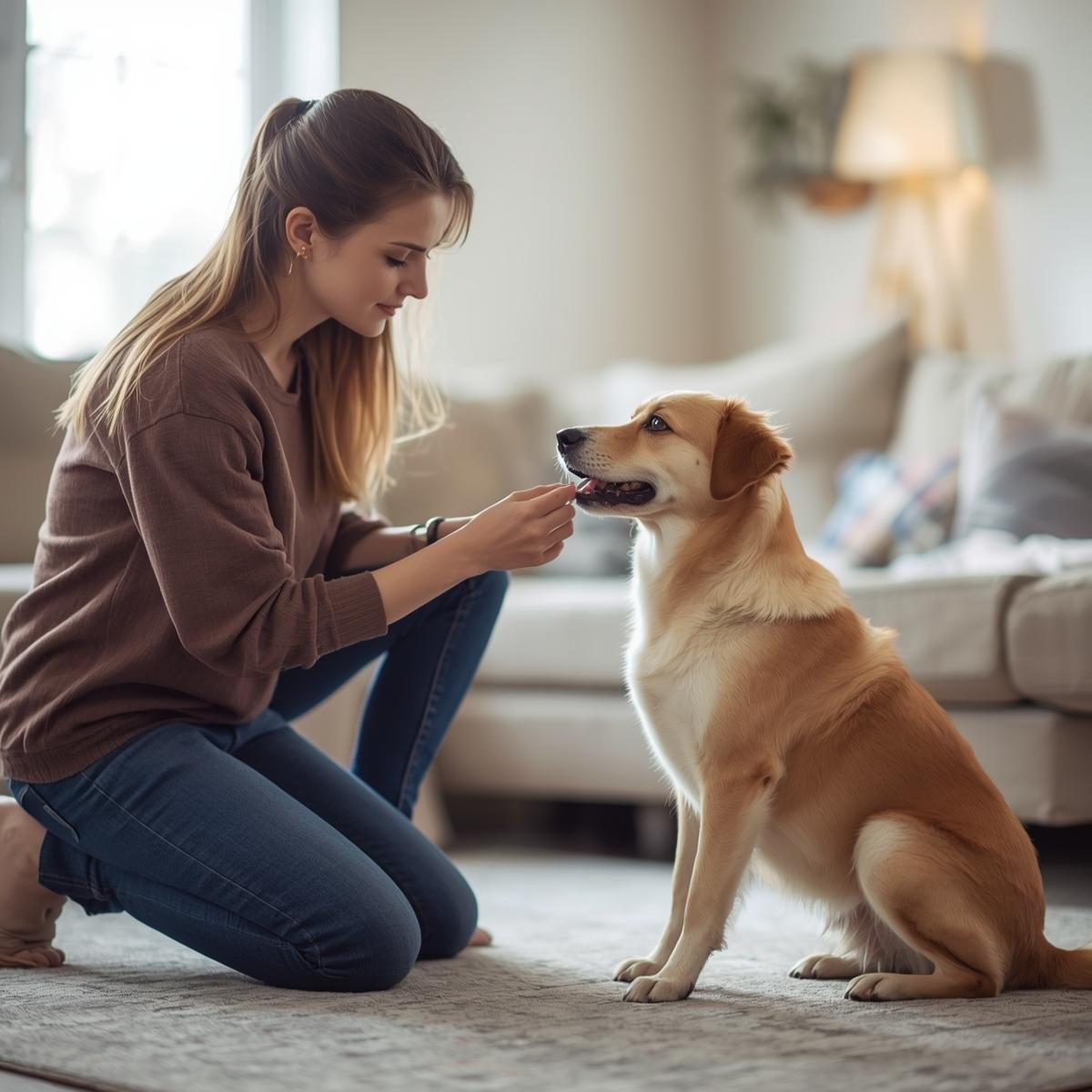
- Engage in brief training session
- Offer chew toy
Mental activity reduces energy and supports relaxation.
Step Six: Avoid Punishment
Never punish anxiety related behavior. Destruction or barking occurs due to stress, not defiance. Punishment increases fear and may worsen symptoms.
Focus on prevention and gradual conditioning.
Step Seven: Build Independence At Home
Encourage the dog to spend time alone even when you are present.
- Use baby gates
- Reward calm behavior in separate rooms
- Avoid constant physical contact
Independence training prevents attachment dependence.
Step Eight: Control Excitement During Returns
When returning home:
- Enter calmly
- Ignore the dog briefly
- Wait for calm posture
- Then greet quietly
This prevents reinforcement of emotional spikes.
Exercise And Anxiety Management
Regular exercise reduces anxiety levels. Include:
- Daily walks
- Structured play
- Obedience training
- Problem solving activities
Physical movement releases energy and supports balance.
Night Routine Consistency
Maintain consistent bedtime:
- Same sleep location
- Same timing
- Calm environment
Predictability during night hours strengthens overall stability.
Gradual Alone Time Increase
Increase absence duration slowly:
- 5 minutes
- 10 minutes
- 20 minutes
- 30 minutes
- 1 hour
Progress only when the dog remains calm at each stage.
Avoid Sudden Long Absences
If possible, avoid leaving for extended periods during early training. Arrange for:
- Family support
- Dog sitter
- Daycare service
This prevents regression.
Signs Of Progress
Indicators of improvement include:
- Reduced barking
- Calm posture during departure
- No destruction
- Relaxed body language
- Resting during absence
Track progress weekly.
When Professional Help Is Needed
If symptoms are severe or persist despite routine training, consult a veterinarian or certified behavior specialist. Some cases may require structured behavioral therapy.
Early intervention increases success.
Long Term Maintenance
Continue routine even after improvement:
- Maintain consistent schedule
- Reinforce calm behavior
- Provide regular exercise
- Avoid sudden environmental changes
Consistency prevents relapse.
Conclusion
Managing separation anxiety in dogs through routine requires patience and structured planning. By building predictable schedules, practicing gradual separation, controlling departure cues, and reinforcing independence, owners can reduce stress and support balanced behavior. Routine provides stability, and stability supports emotional control.



Leave a Reply