

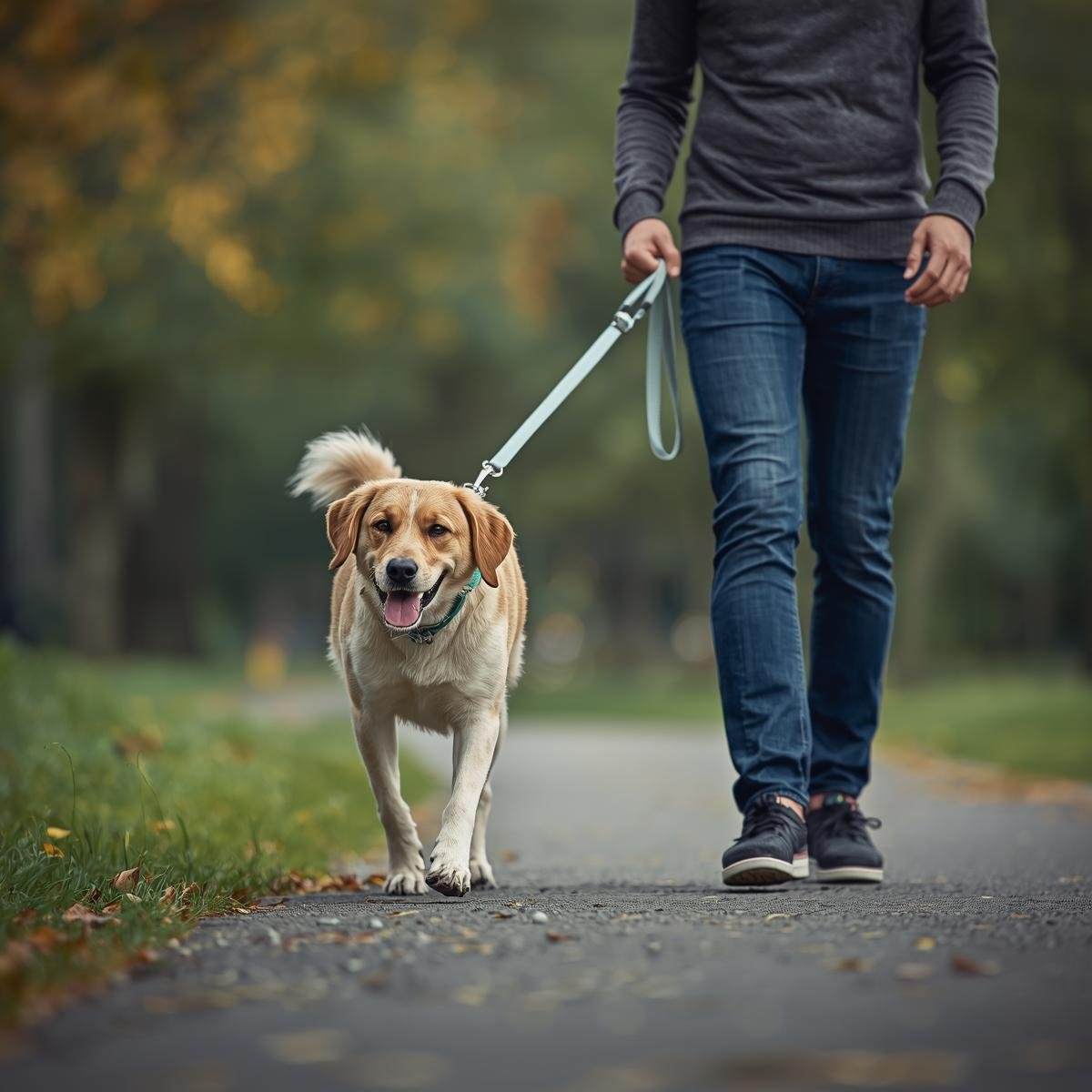
Leash training is a fundamental part of dog ownership. A well-trained dog on a leash is safer, easier to manage, and can enjoy walks without pulling, lunging, or reacting to distractions. Proper leash control is not about force or dominance. It is about communication, consistency, and guidance.
This guide explains leash training techniques step by step to help dogs walk calmly and respond reliably in outdoor environments.
Why Leash Training Matters
Leash training benefits both the dog and the owner:
- Reduces risk of injury from pulling
- Improves control around traffic, people, and other animals
- Supports obedience during outdoor distractions
- Makes walks enjoyable and less stressful
- Prevents destructive or unsafe behavior
Without training, walks can become a struggle, leading to frustration, safety issues, and a lack of exercise for the dog.
Choosing The Right Leash And Collar
Proper equipment improves training outcomes.
- Leash: 4–6 feet is ideal for control. Avoid retractable leashes for training.
- Collar: Flat collar or harness; avoid choke chains or prong collars for beginners.
- Optional: Head halters for reactive dogs needing guidance.
Ensure the dog is comfortable and equipment is fitted correctly.
Preparing For Leash Training
Before training outdoors:
- Begin in a quiet, distraction-free area
- Have small, easily carried treats for reinforcement
- Use a consistent command like “heel” or “let’s go”
- Maintain calm body language
Short sessions multiple times a day are more effective than one long session.
Teaching Loose Leash Walking
Loose leash walking encourages the dog to walk beside the owner without pulling.
Step 1: Choose a Side
Decide whether the dog will walk on the left or right. Consistency is key.
Step 2: Start With Attention
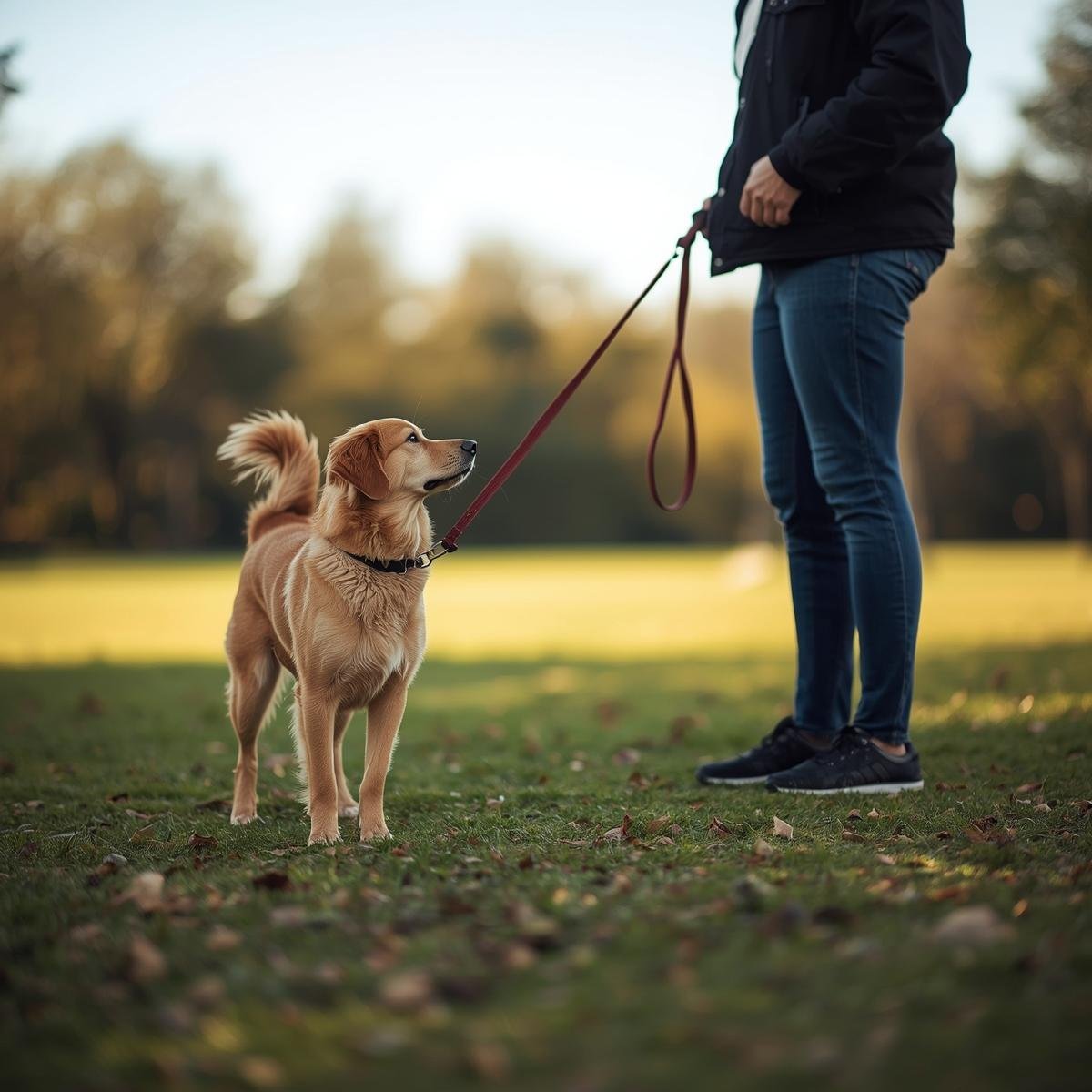
Hold a treat near your side to encourage focus. Reward attention to you, not ahead.
Step 3: Stop When Pulling
If the dog pulls forward, stop walking immediately. Wait for the leash to relax, then continue.
Step 4: Reward Correct Walking
When the dog walks with slack leash beside you, reward with praise or treat.
Repeat consistently. Gradually increase duration and distractions.
Using Commands During Leash Walks
Commands improve communication:
- Heel: Dog walks beside you
- Slow: Dog reduces pace
- Leave it: Dog ignores distraction
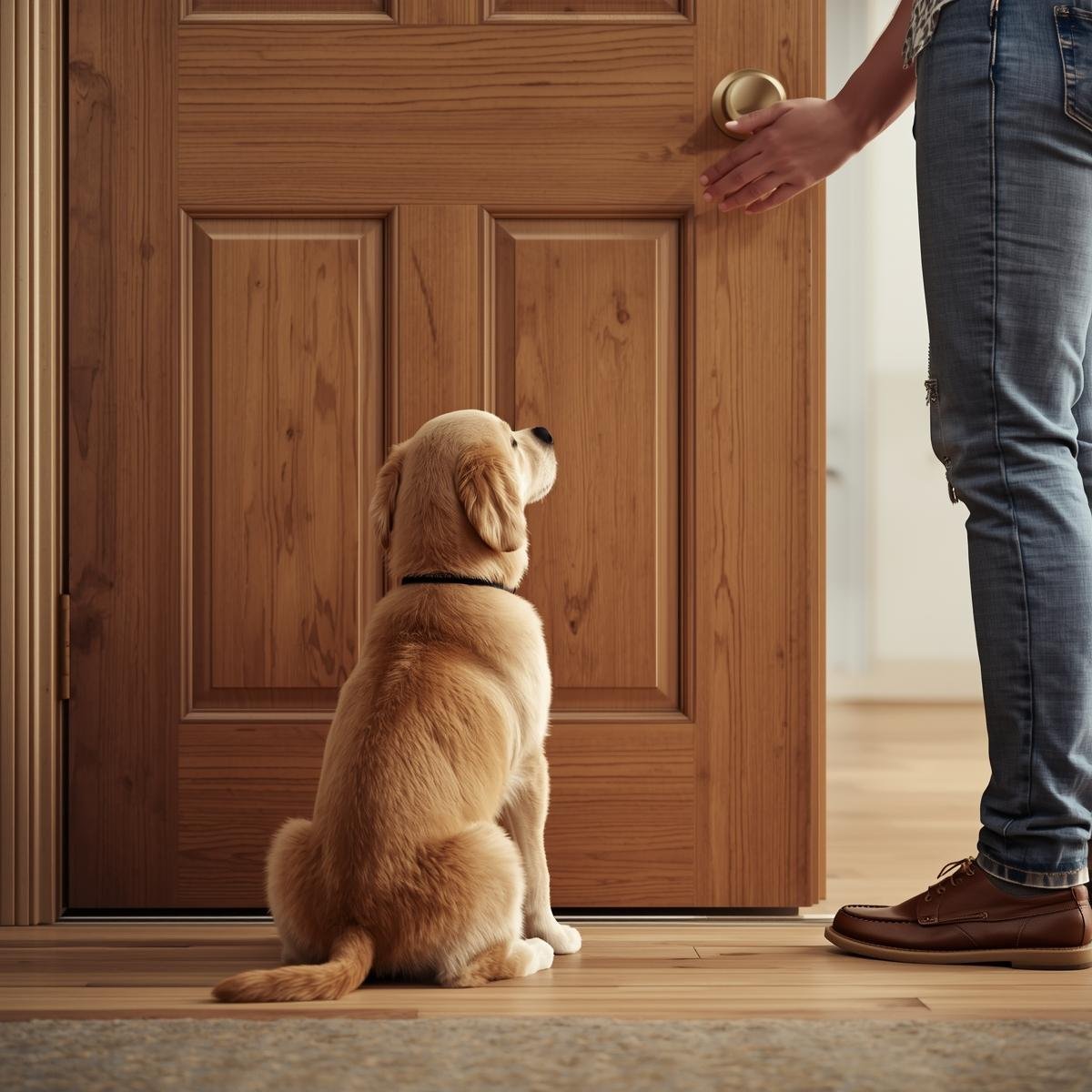
- Wait: Dog pauses at doors or curbs
Consistently pairing commands with reward strengthens learning.
Managing Distractions
Dogs can react to:
- Other dogs
- People jogging or cycling
- Noises such as traffic or construction
- Wildlife or small animals
Gradual exposure:
- Begin at a distance from distractions
- Reward calm behavior
- Reduce distance as dog remains relaxed
- Repeat regularly
This builds reliability in real-world conditions.
Training Reactive Dogs On Leash
Reactive dogs may bark, lunge, or pull at other dogs or people. Leash training helps manage these behaviors.
Techniques:
- Keep controlled distance from triggers
- Use high-value treats to redirect attention
- Reward calm focus
- Gradually decrease distance over time
- Avoid punishment; focus on positive redirection
Consistency and patience prevent escalation.
Teaching The Dog To Look At You
Eye contact is essential for control.
Steps:
- Hold treat near your face
- Encourage dog to focus on you
- Reward immediately
- Gradually phase out treats with verbal praise
Attention on the owner improves leash responsiveness.
Loose Leash Games
Games make learning enjoyable:
- Red Light, Green Light: Stop walking when dog pulls, move forward when leash slack
- Side Switch: Change direction unexpectedly to encourage focus
- Follow Me: Reward attention while walking at different speeds
Games prevent boredom and reinforce leash control.
Preventing Common Leash Mistakes
Avoid:
- Yanking the leash to correct pulling
- Using harsh verbal punishment
- Inconsistent commands or timing
- Overly long sessions leading to frustration
Correct timing and calm guidance are essential.
Leash Training For Different Ages
- Puppies: Short, frequent sessions, use treats
- Adolescents: May test limits; stay consistent
- Adults: Require patience if previously untrained; reinforce commands gradually
Each dog learns at its own pace.
Gradual Exposure To Real-Life Walks
- Start indoors or in backyard
- Progress to quiet streets
- Advance to busy sidewalks or dog parks
- Maintain calm, controlled pace
- Reward correct behavior continuously
Realistic exposure ensures the dog remains reliable in all environments.
Reinforcing Leash Training Daily
Leash training requires ongoing reinforcement:
- Regular walks
- Rewarding calm behavior
- Practice of commands in varied settings
- Maintaining consistency with all family members
Reliable leash behavior comes from repetition over time.
Benefits Of Successful Leash Training
- Safe outdoor control
- Reduced stress for owner and dog
- Ability to explore wider areas freely
- Better social interactions
- Stronger bond through guided walks
Leash training supports obedience in all settings.
Final Thoughts On Leash Training Techniques For Better Outdoor Control
Leash training builds trust, discipline, and safety. By using positive reinforcement, structured exercises, and gradual exposure to distractions, a dog can learn to walk calmly and respond reliably outdoors. Training improves daily life for both owner and dog, making walks enjoyable and safe.


Leave a Reply