

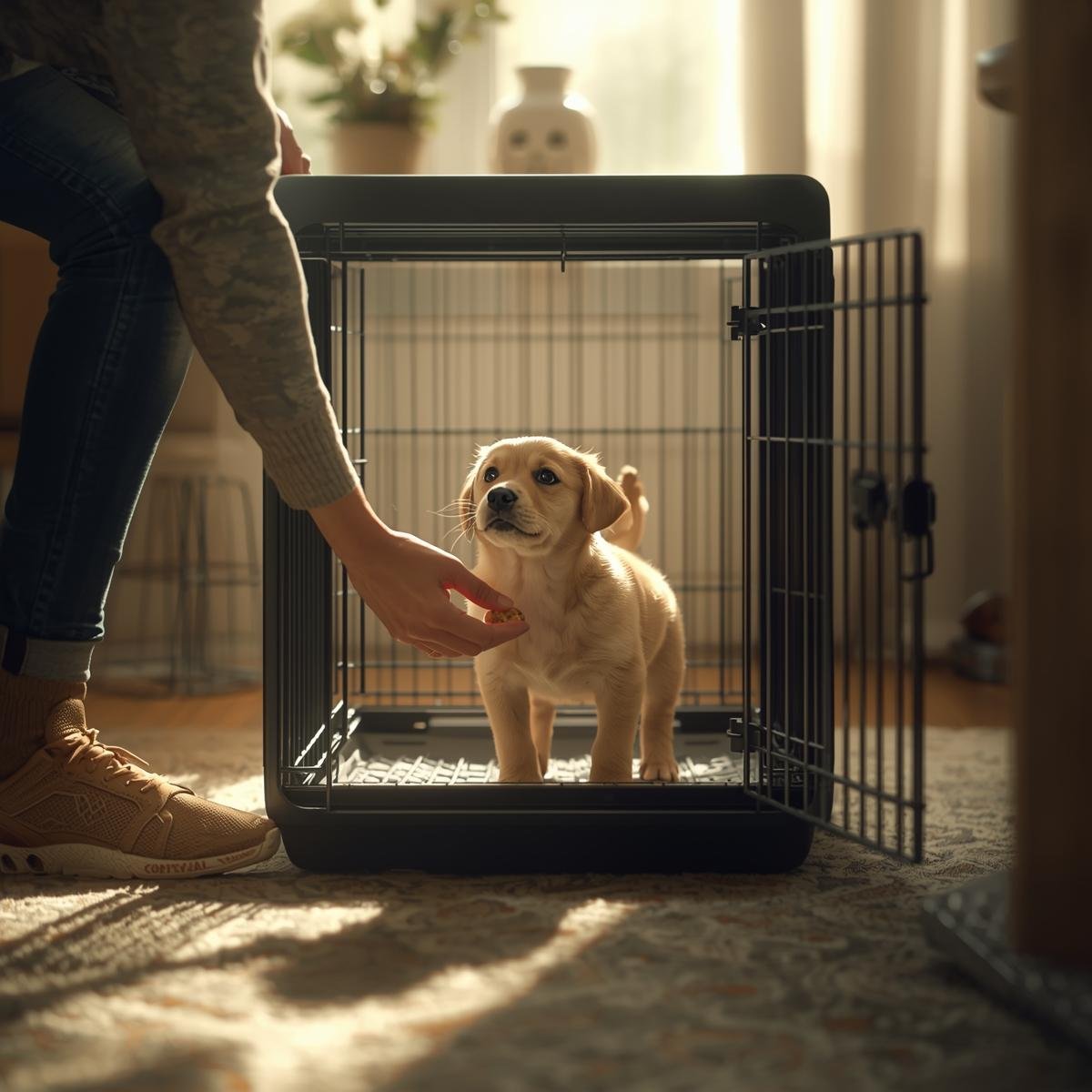
Crate training is a structured method that supports house training, discipline, and emotional stability in dogs. When introduced correctly, a crate becomes a resting space rather than confinement. It provides routine, supports safety, and builds trust between owner and dog.
Crate training methods that build discipline and trust focus on gradual introduction, positive reinforcement, and consistency. The goal is to create comfort, not fear.
Why Crate Training Matters
Dogs have a natural instinct to seek enclosed resting areas. A crate can serve as a sleeping space, recovery area, and management tool during house training.
Benefits of crate training include:
- Support for potty training
- Prevention of destructive behavior
- Safe transportation
- Reduced anxiety during rest periods
- Structured routine for young dogs
When used correctly, the crate becomes a personal space where the dog feels secure.
Choosing The Right Crate
Select a crate that allows the dog to:
- Stand upright
- Turn around
- Lie down comfortably
The crate should not be too large for puppies during potty training. Too much space may encourage elimination inside one corner.
Types of crates include:
- Wire crates
- Plastic travel crates
- Soft crates for short term use
Placement should be in a quiet area of the home where the dog can still feel included in daily activity.
Introducing The Crate Gradually
Crate training should begin slowly.
Step 1: Allow Exploration
Place the crate in a room with the door open. Let the dog investigate freely.
Step 2: Add Bedding
Place comfortable bedding inside.
Step 3: Use Treats For Encouragement
Toss treats inside the crate to encourage entry.
Do not force the dog inside. Voluntary entry builds trust.
Creating Positive Association
Feed meals near or inside the crate. Gradually move the food bowl deeper inside over several days.
Reward the dog for entering and remaining calm.
Positive association prevents resistance.
Closing The Door Briefly
After the dog enters willingly:
- Close the door for a few seconds.
- Stay nearby.
- Open the door before signs of distress.
Increase duration gradually over multiple sessions.
Patience prevents anxiety.
Using The Crate For Rest
Encourage rest inside the crate during nap time. Puppies sleep frequently, making this an ideal opportunity to reinforce crate use.
Guide the dog calmly inside and reward quiet behavior.
Avoid using the crate only when leaving the house. Balance crate time with your presence to prevent association with isolation.
Crate Training And Potty Schedule
Crate training supports potty training because dogs avoid soiling their sleeping area.
Guidelines for puppies:
- Take outside immediately after crate release
- Follow a regular elimination schedule
- Limit crate time based on age
General rule for puppies:
Age in months equals approximate hours they can hold elimination.
Example:
Three month old puppy may hold for about three hours.
Do not exceed reasonable crate time.
Managing Whining In The Crate
Whining may occur during adjustment. Before responding:
- Ensure basic needs are met
- Confirm potty break occurred
If whining continues briefly, wait for a moment of silence before opening the crate. This teaches that calm behavior leads to release.
Do not reward persistent noise by immediate release.
Night Time Crate Training
Place the crate near your sleeping area during early weeks. This helps the puppy feel secure.
Night routine:
- Final potty break before bedtime
- Calm placement inside crate
- Consistent wake up time for morning elimination
Consistency reduces confusion.
Avoiding Common Crate Training Mistakes
Mistakes can damage trust.
Avoid:
- Using the crate as punishment
- Forcing entry
- Leaving the dog crated for excessive periods
- Ignoring signs of distress
The crate must remain a neutral or positive environment.
Transitioning To Longer Durations
Gradually increase crate duration as the dog adjusts.
Practice:
- Short absences from home
- Random short crate sessions even when home
This prevents anxiety linked only to departure.
Crate Training For Adult Dogs
Adult dogs can also learn crate training.
Steps remain similar:
- Slow introduction
- Positive reinforcement
- Gradual duration increase
Older dogs may require more patience depending on past experience.
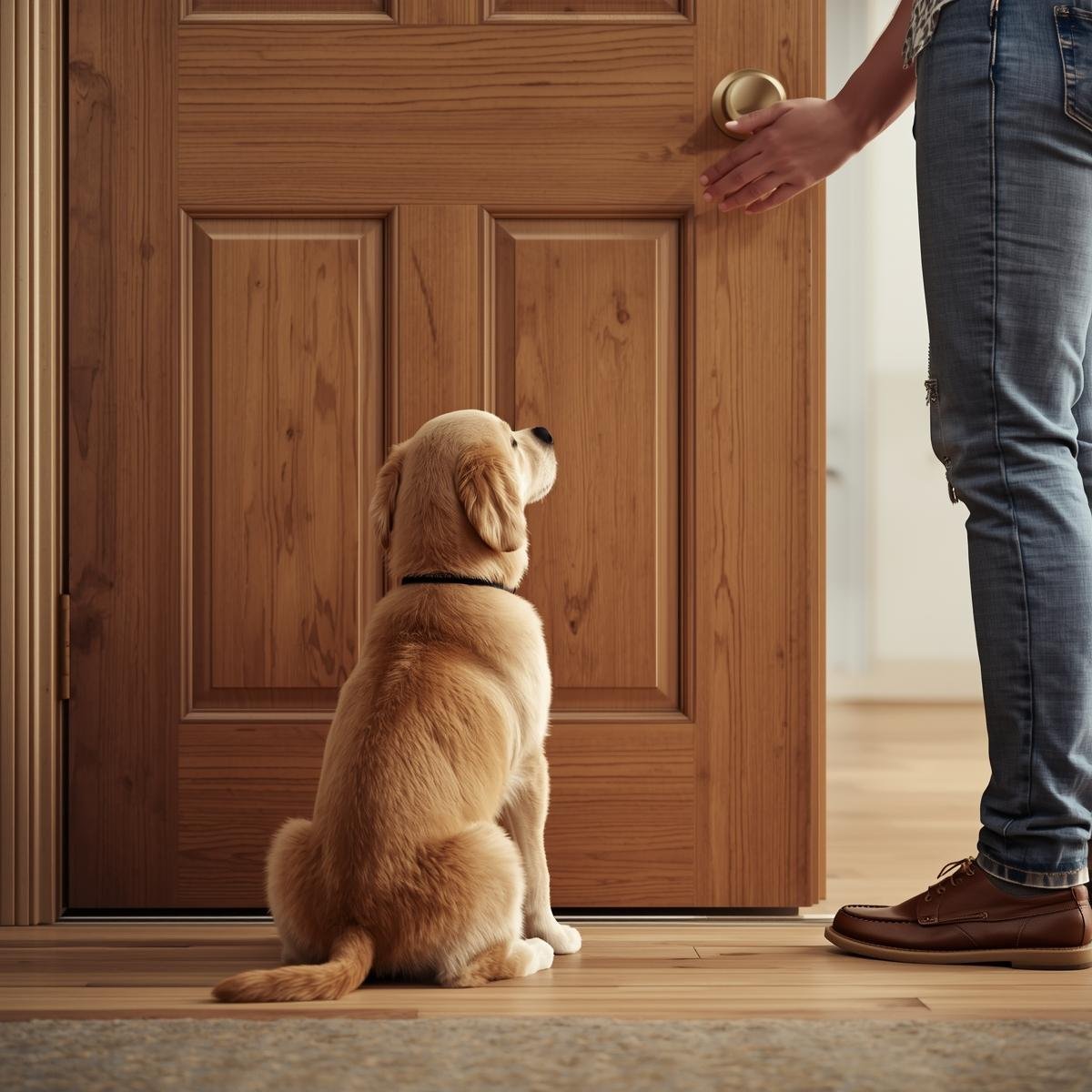
Using A Release Word
Teach a release word before allowing exit from the crate.
Example:
- Wait for calm behavior
- Say release word
- Open the door
This builds discipline and prevents rushing.
Supporting Emotional Stability
Crate training provides structure. Structure reduces uncertainty. When routine becomes predictable, emotional stability improves.
Dogs benefit from:
- Regular feeding times
- Scheduled crate rest
- Consistent exercise
- Daily interaction
Balanced structure builds confidence.
Signs Of Successful Crate Training
Success can be observed when:
- Dog enters crate willingly
- Dog rests quietly
- No signs of stress during crate time
- Smooth transition between crate and freedom
Progress may take days or weeks depending on age and temperament.
Gradual Reduction Of Crate Dependence
As discipline improves and destructive behavior decreases, crate time can be reduced.
Provide supervised freedom first. Gradually increase unsupervised time outside crate.
Crate training remains useful during travel, recovery from illness, or house management needs.
Long Term Benefits Of Crate Training
Crate training supports:
- House discipline
- Safe management during emergencies
- Calm behavior during transport
- Reduced stress during rest
Trust develops when the dog feels secure in its designated space.
Final Thoughts On Crate Training Methods That Build Discipline And Trust
Crate training is not confinement. It is a structured method for building routine and communication. When introduced gradually and reinforced positively, the crate becomes a safe resting area.
Discipline develops through consistency. Trust develops through calm guidance. With patience and routine, crate training becomes a tool that supports lifelong behavior stability.

Leave a Reply