
Aggression and reactivity in dogs can make daily life challenging. Reactive dogs may bark, lunge, growl, or display fearful or aggressive behavior toward people, other animals, or specific situations. Behavior correction methods help dogs respond calmly, safely, and predictably.
Correcting behavior is not about punishment or dominance. It is about structured guidance, consistent routines, and positive reinforcement. Early intervention prevents long-term issues and builds trust between dog and owner.
Understanding Aggression And Reactivity
Aggressive or reactive behavior may stem from:
- Fear or anxiety
- Territorial instincts
- Overexcitement
- Protective instincts
- Past trauma or lack of socialization
Observing triggers is the first step. Document when, where, and with whom the behavior occurs. This helps create an effective training plan.
Safety First
Before training, safety is crucial:
- Use a secure leash and harness
- Keep distance from triggers initially
- Avoid situations that overwhelm the dog
- Consider professional guidance if aggression is severe
Preventing injury is the first priority for both dog and people involved.
Positive Reinforcement Over Punishment
Positive reinforcement builds desired behaviors. Reward calm responses and focus on correct actions. Rewards may include:
- Treats
- Verbal praise
- Playtime
- Attention
Punishing aggressive behavior may increase fear or escalate aggression. Timing is key; rewards must follow correct responses immediately.
Identifying Triggers And Patterns
Record observations:
- Type of trigger (dog, person, noise)
- Distance at which reaction occurs
- Intensity of response
- Duration of behavior
Understanding patterns allows gradual exposure training while keeping the dog safe.
Desensitization And Counter-Conditioning
Two effective behavior correction strategies:
1. Desensitization
Gradually expose the dog to a trigger at a level that does not provoke reaction. Increase exposure slowly over time.
2. Counter-Conditioning
Pair the trigger with positive experiences like treats or praise. This changes the dog’s emotional response from negative to neutral or positive.
Example: A dog reactive to other dogs may receive treats when another dog is seen from a safe distance.
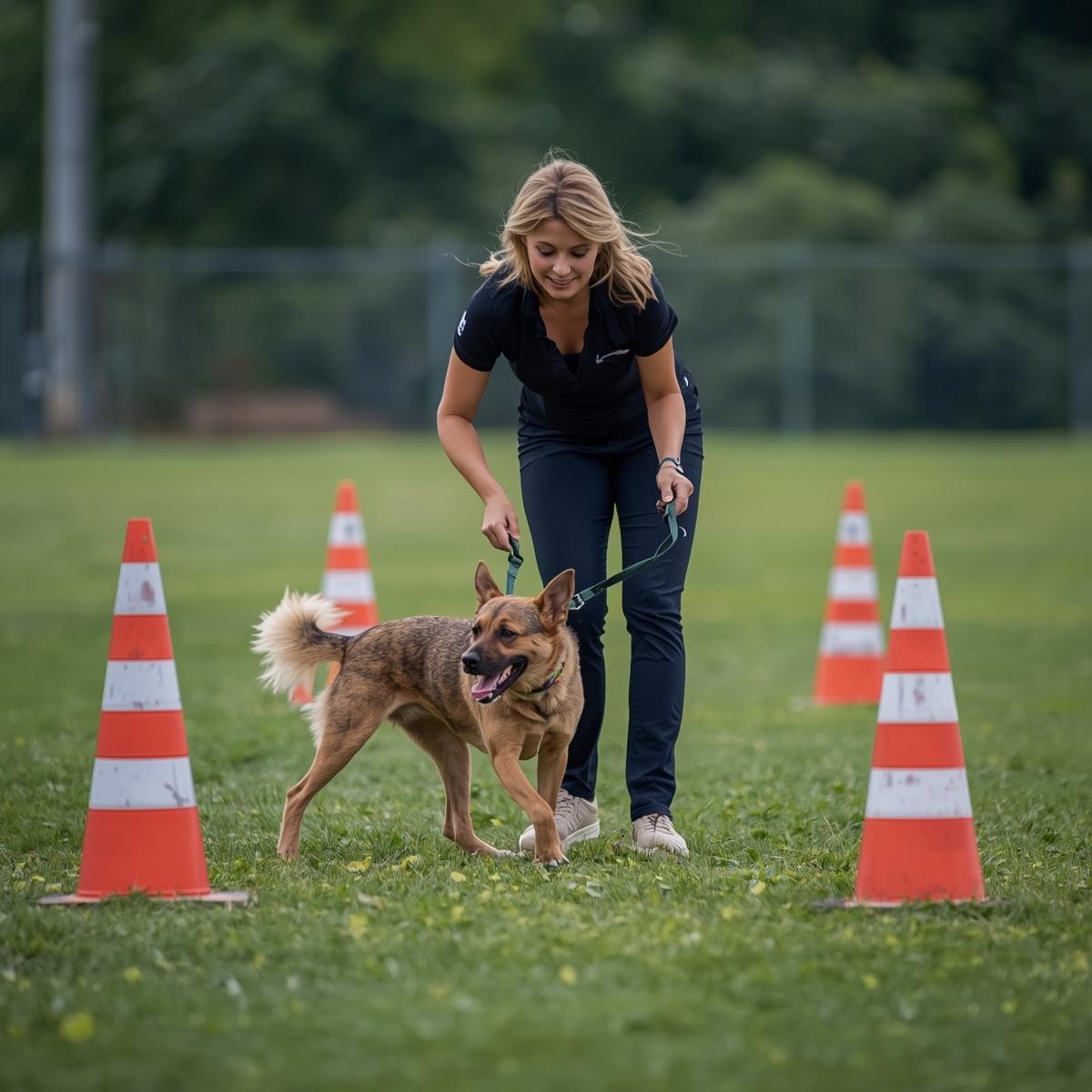
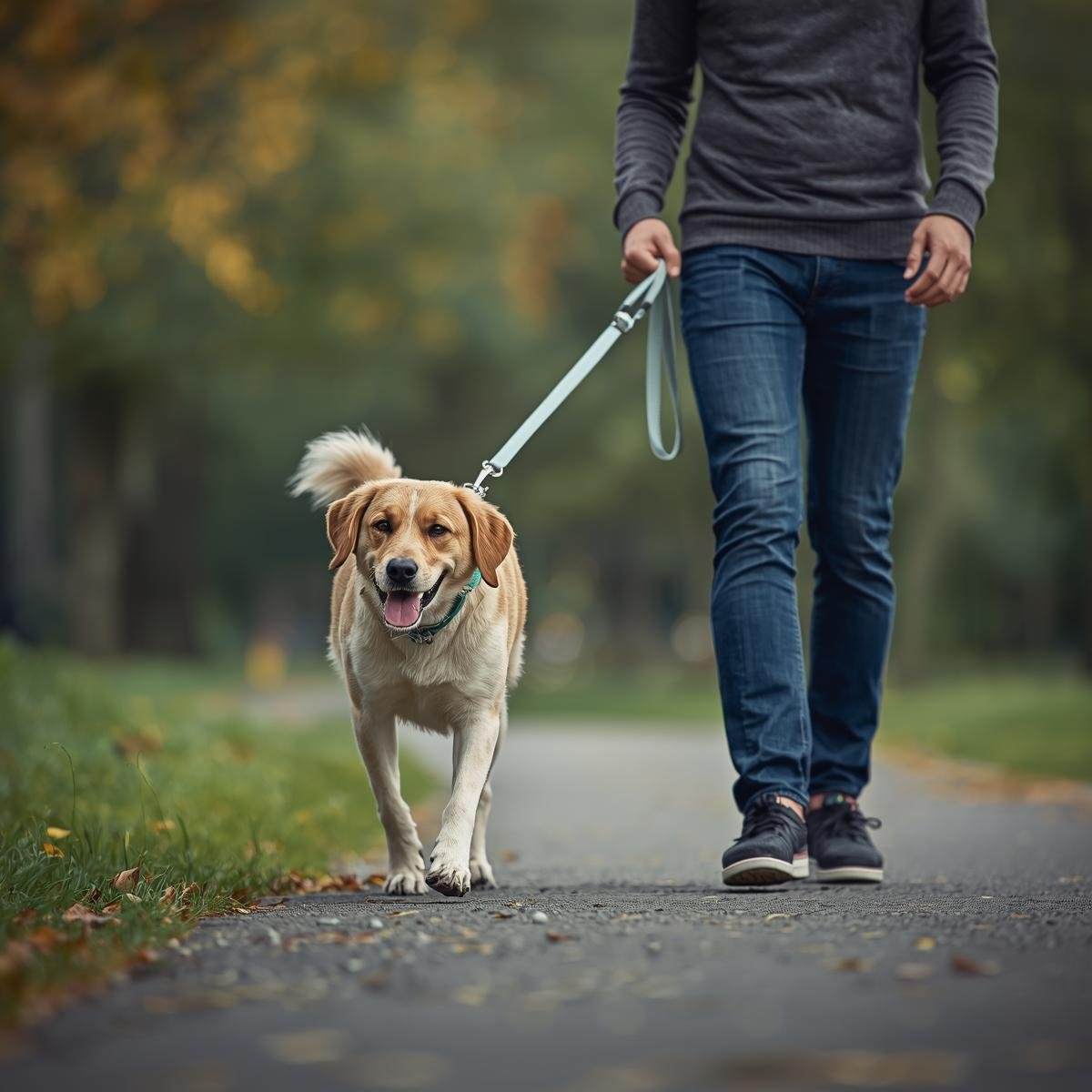
Controlled Exposure Walks
Leash walks provide controlled opportunities:
- Maintain safe distance from triggers
- Reward calm behavior with treats
- Keep sessions short but frequent
- Gradually decrease distance as control improves
Controlled exposure strengthens focus and reliability.
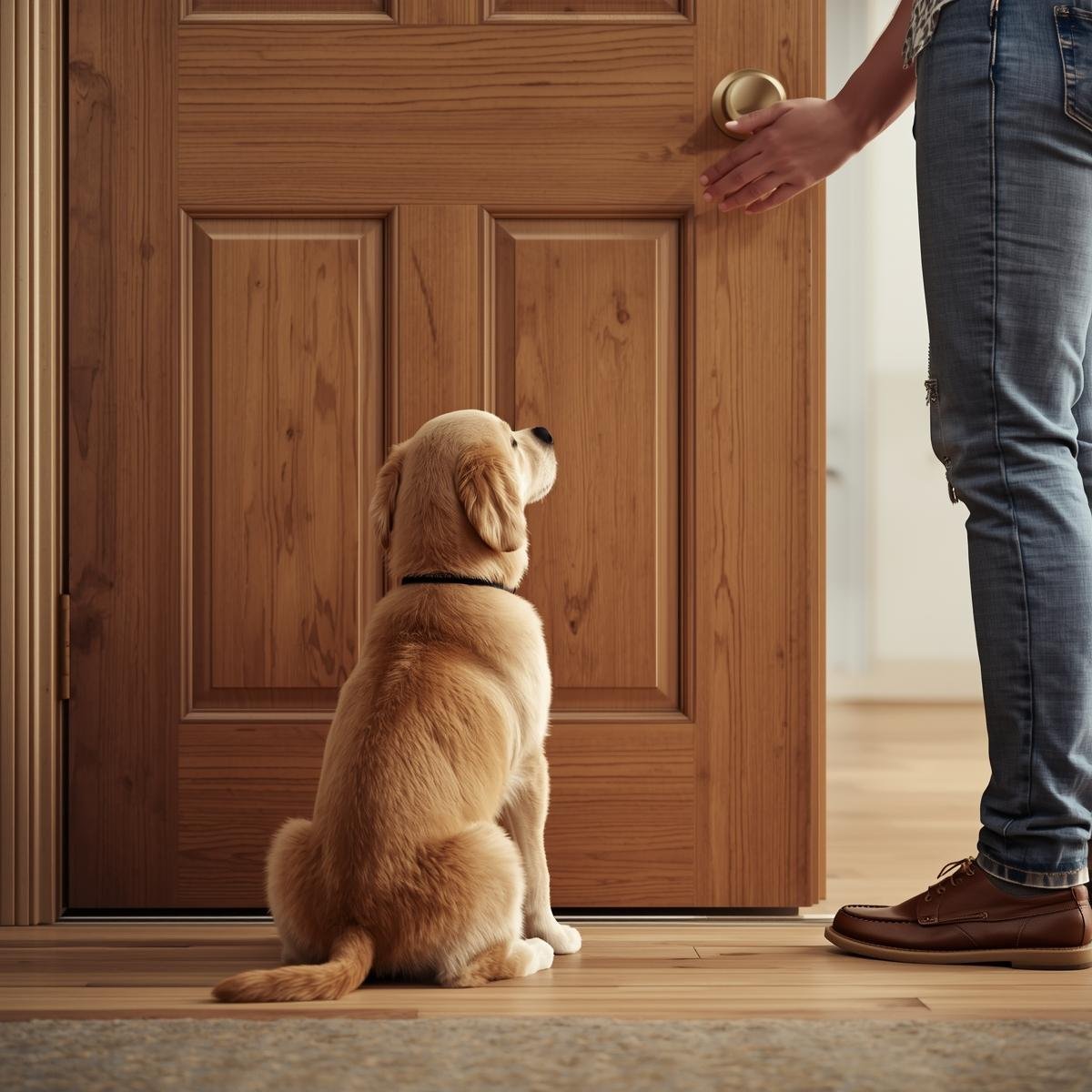
Teaching Focus Commands
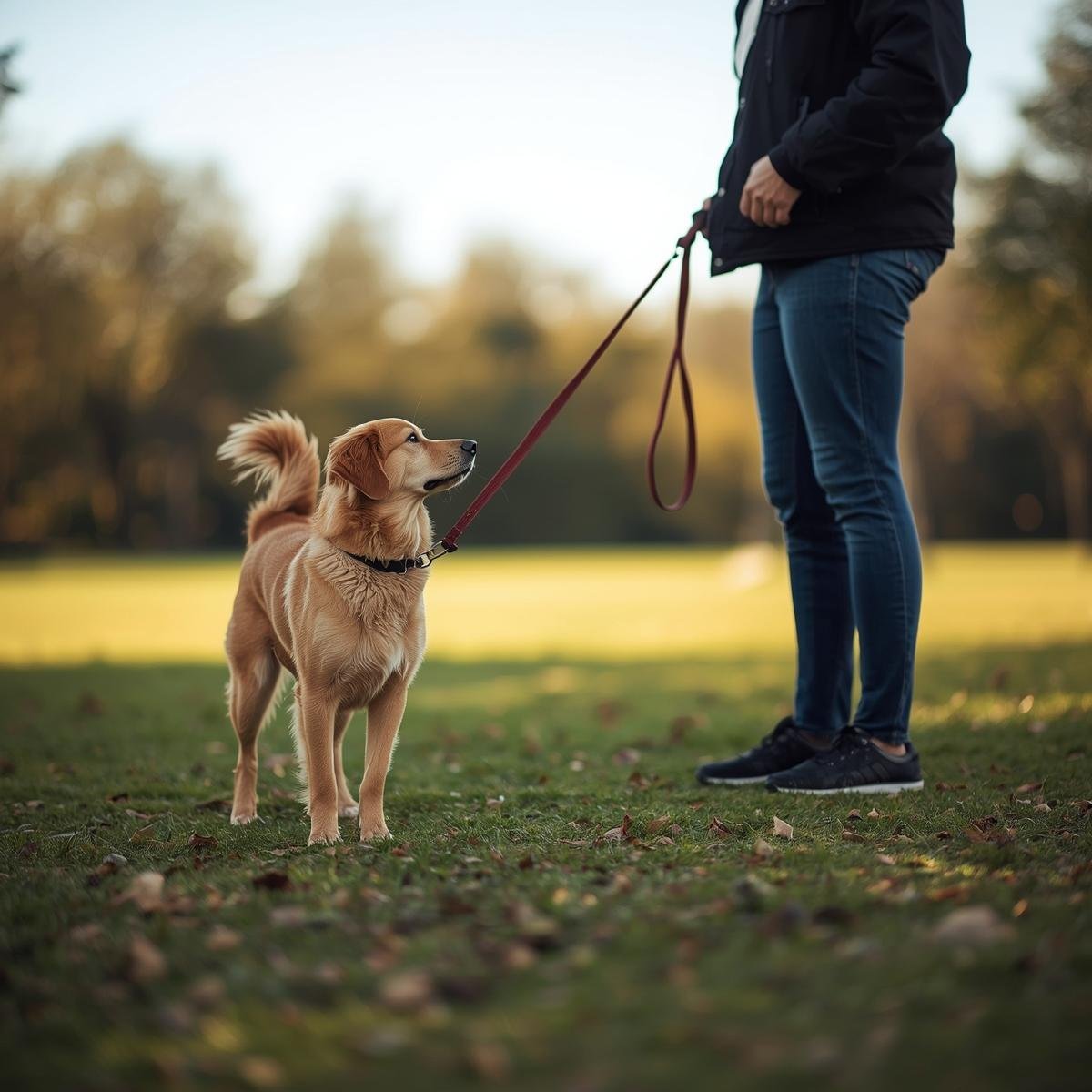
Focus commands redirect attention away from triggers. Common commands:
- “Look at me” – dog makes eye contact
- “Leave it” – dog ignores distractions
- “Sit” or “Down” – dog assumes a calm posture
Pair commands with rewards consistently to reinforce focus.
Using Distance And Space
Distance is a key tool:
- Increase distance if the dog becomes reactive
- Reduce distance gradually as the dog remains calm
- Avoid forcing proximity before readiness
Space prevents escalation and supports learning.
Avoiding Common Mistakes
- Reacting emotionally to aggression
- Pushing too quickly toward triggers
- Using punishment-based methods
- Inconsistency in training
- Ignoring early warning signals
Consistency and calm guidance are critical.
Crate And Management Strategies
Crates or confined spaces can help manage reactive dogs safely:
- Provide a safe space at home
- Use short confinement during high-stress situations
- Combine with positive reinforcement
- Avoid using crate as punishment
Management ensures safety while training progresses.
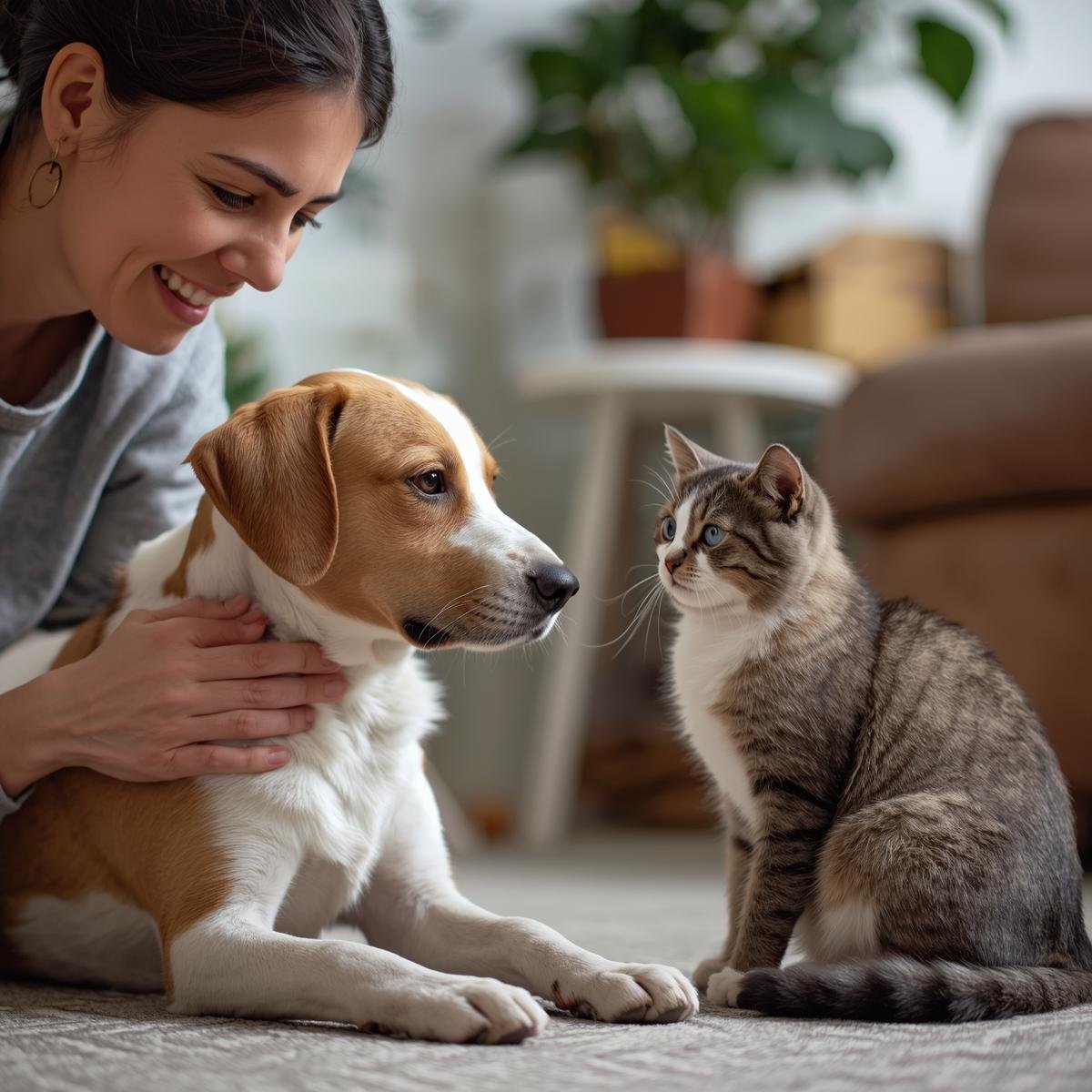
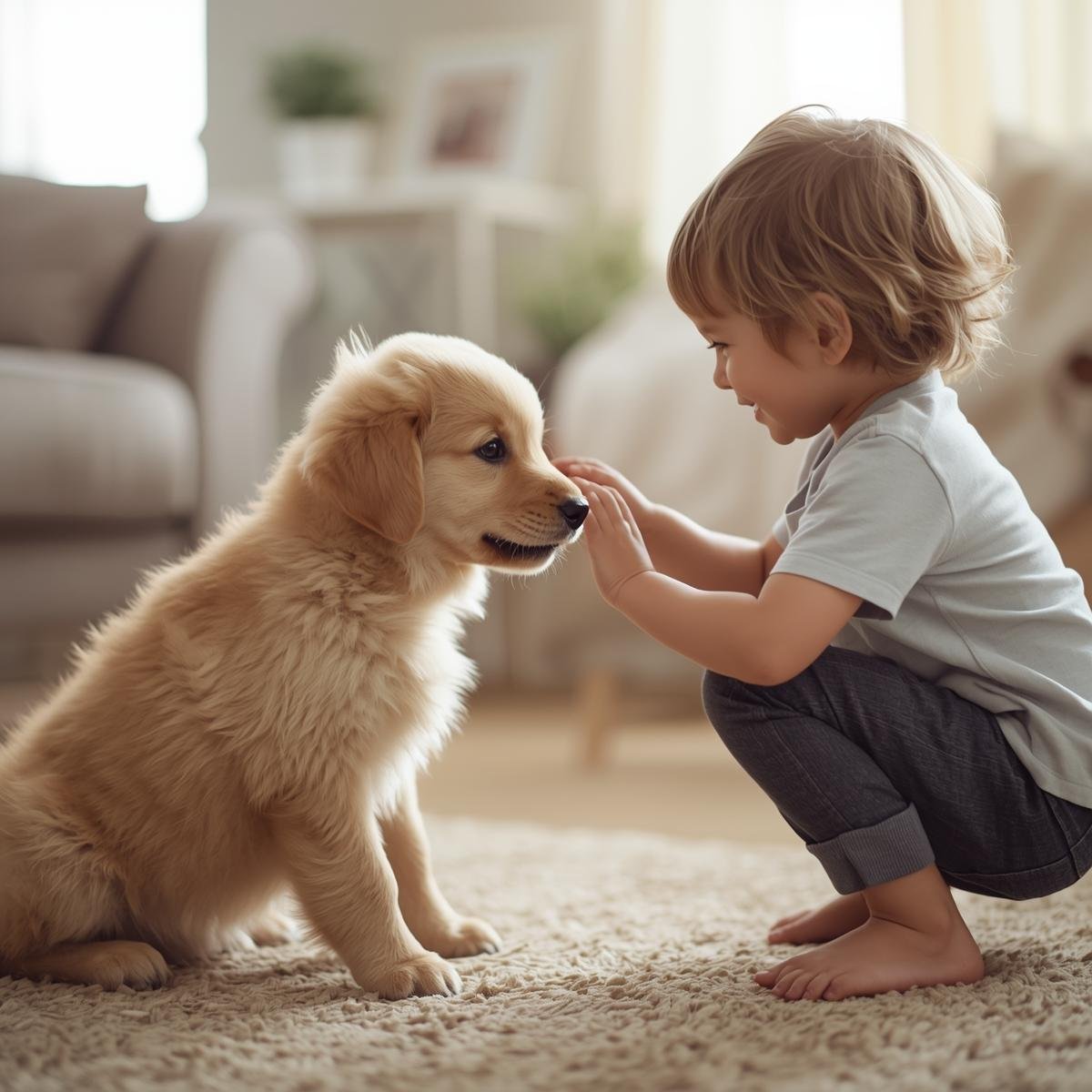
Socialization With Caution
Controlled socialization helps reactive dogs:
- Start with neutral dogs or calm people
- Use barriers if needed
- Reward calm behavior
- Avoid overwhelming situations
Gradual exposure helps dogs adapt to social interactions safely.
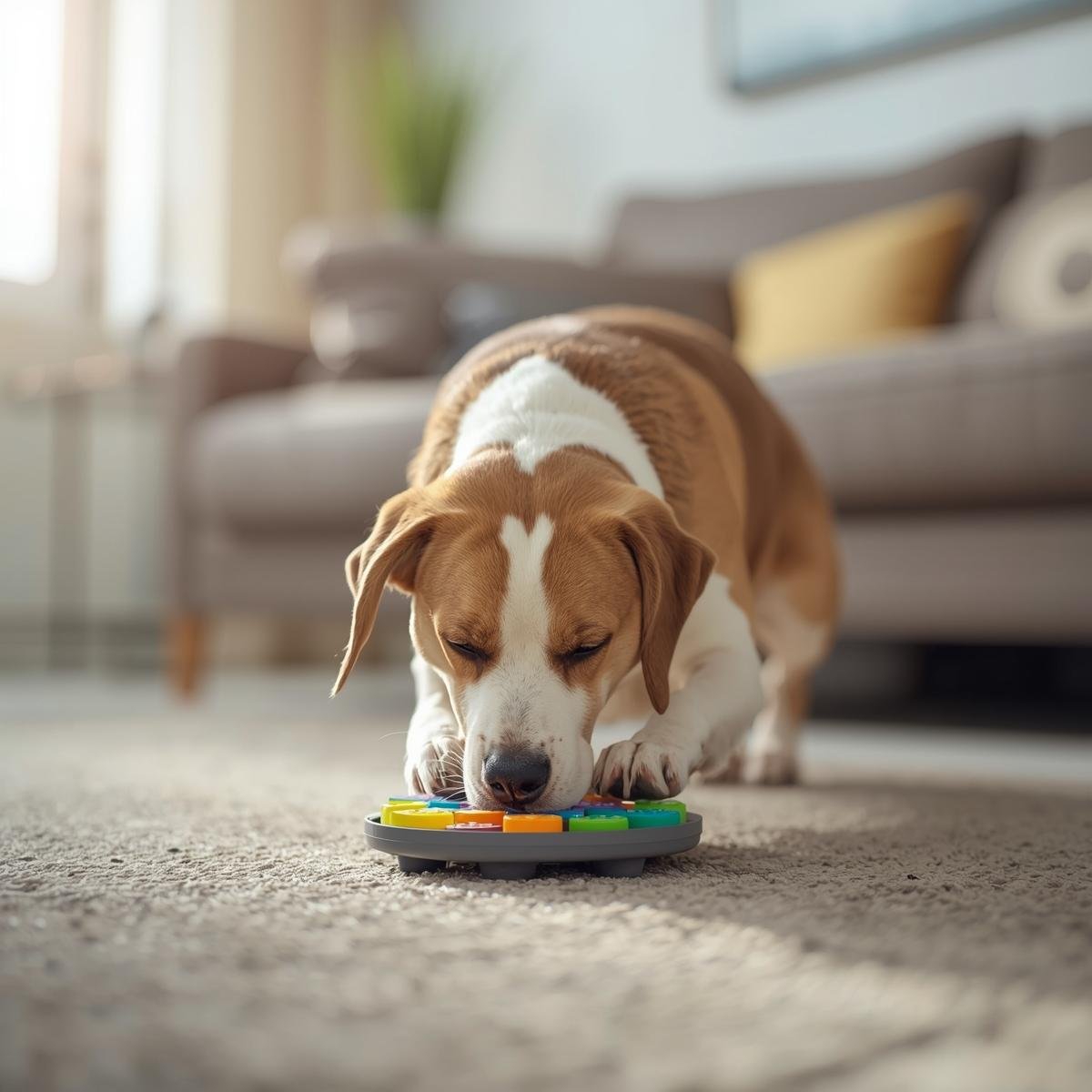
Redirecting Energy
Exercise and mental stimulation reduce reactivity:
- Regular walks or play sessions
- Puzzle toys or training games
- Structured routines
A dog with sufficient physical and mental activity reacts less strongly to triggers.
Professional Guidance And Behaviorists
Severe aggression or fear-based reactivity may require professional intervention:
- Certified dog trainers
- Veterinary behaviorists
- Positive reinforcement specialists
Early professional guidance prevents dangerous situations and supports long-term progress.
Tracking Progress
Keep a training journal:
- Note triggers, distance, and reactions
- Track improvements and setbacks
- Adjust strategies based on results
Documentation helps refine training plans effectively.
Reinforcing Calm Behavior
Calm behavior should always be rewarded:
- Ignore minor reactivity when safe
- Reward moments of composure
- Gradually extend duration of calm behavior
This approach teaches dogs that calm responses lead to positive outcomes.
Long Term Benefits Of Behavior Correction
Behavior correction improves:
- Safety for owner and others
- Dog’s confidence and emotional stability
- Enjoyment of walks and social interactions
- Strength of the human-dog bond
- Predictable behavior in various environments
Reactive dogs can enjoy life safely with proper training.
Conclusion
Behavior correction methods for aggressive or reactive dogs focus on safety, consistency, and positive reinforcement. Through structured exposure, attention commands, and careful management, dogs can learn to respond calmly. Patience and observation are essential.
Early intervention, consistent guidance, and reinforcement build trust and discipline, transforming reactive behavior into controlled and predictable responses.

Leave a Reply