

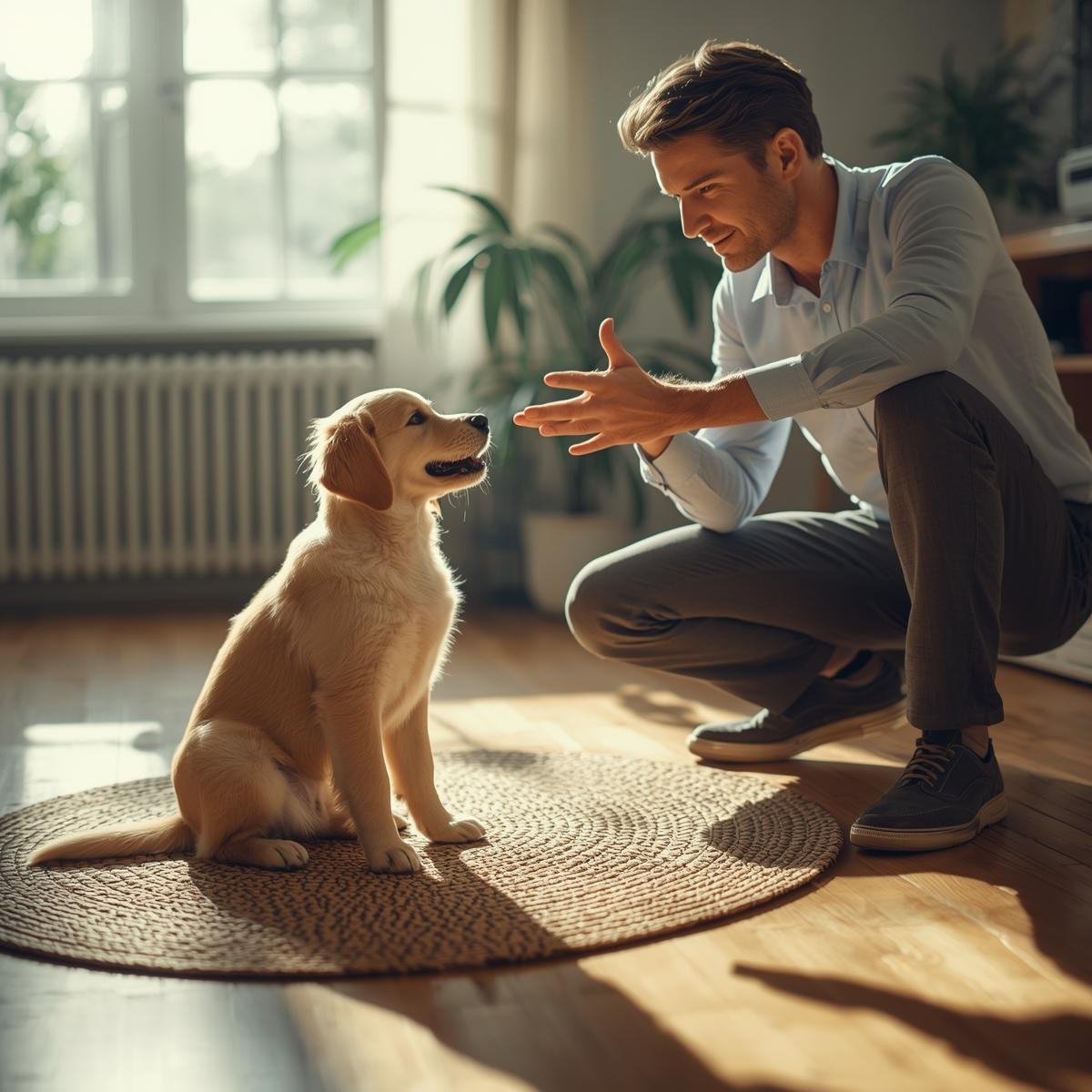
Puppy training begins the moment a puppy enters your home. Obedience and house rules are not only about control. They are about communication, structure, and trust. When a puppy understands expectations, daily life becomes calm and predictable. Training shapes behavior and builds a bond between owner and dog that lasts for years.
This puppy training guide for obedience and house rules explains step by step methods that help build listening skills, consistency, and discipline through routine.
Why Obedience Training Matters In Early Development
Puppies learn through repetition and consequence. Early training influences how a dog responds to people, spaces, and routines. Without guidance, a puppy may develop habits such as biting, jumping, chewing furniture, or ignoring commands.
Obedience training provides:
- Clear communication
- Structured daily routine
- Boundary awareness
- Social behavior development
- Safety control inside and outside the home
When training begins early, learning becomes part of daily life rather than correction later.
Setting House Rules From The First Day
House rules create limits that prevent confusion. Puppies do not understand what is allowed unless it is shown consistently.
Examples of house rules include:
- No jumping on guests
- No biting hands during play
- Eating only after permission
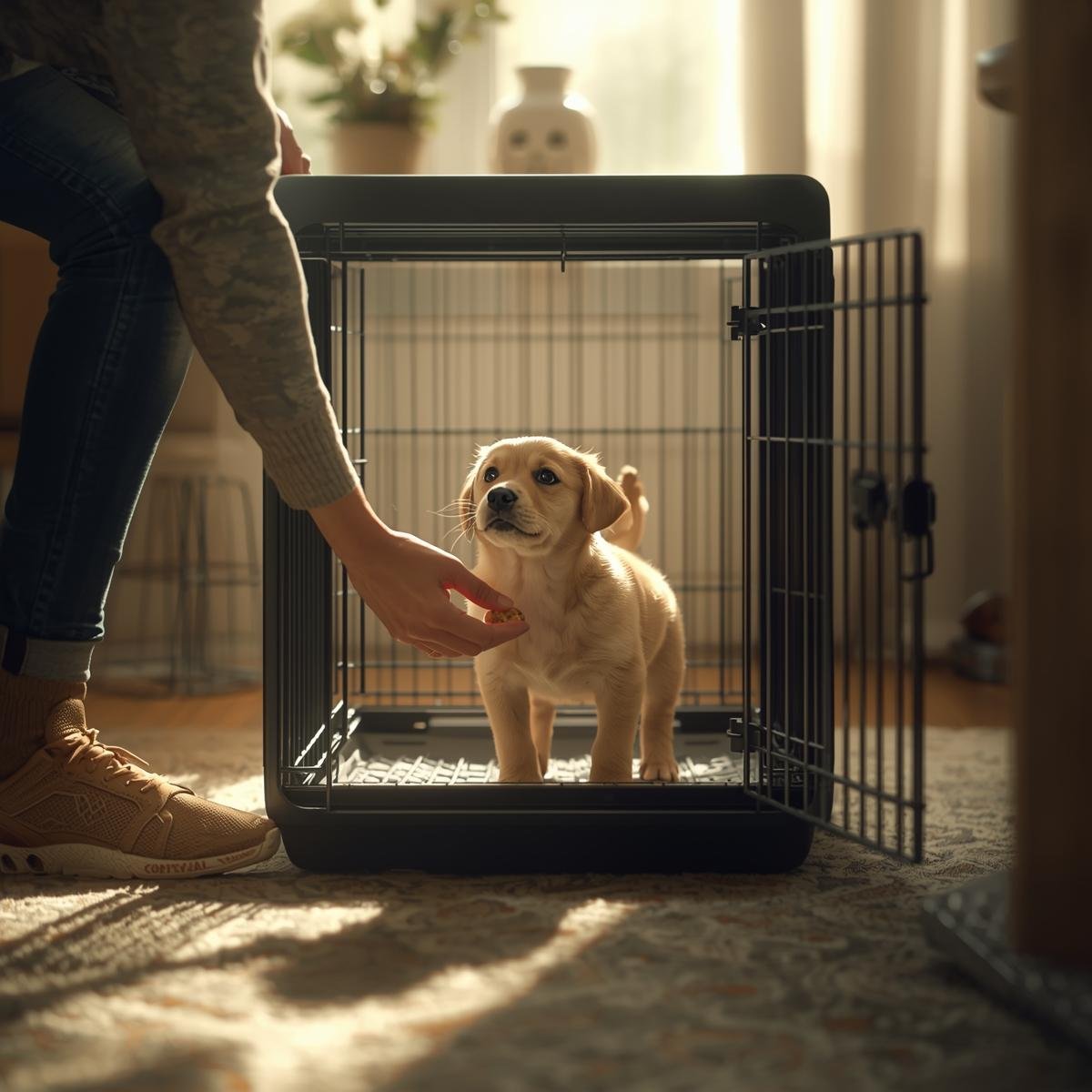
- Sleeping in assigned area
- Using a designated potty location
All family members must follow the same rules. Mixed signals slow learning and create frustration for the puppy.
Creating A Training Routine
Routine supports obedience training. Puppies respond to patterns. A consistent schedule reduces anxiety and improves learning.
A basic daily routine includes:
- Morning potty break
- Feeding at fixed times
- Short obedience sessions
- Play period
- Rest time
- Evening potty break
Short training sessions of five to ten minutes repeated several times per day are more effective than one long session.
Teaching Name Recognition
Before teaching commands, a puppy must respond to its name.
Steps:
- Say the puppy’s name in a clear tone.
- When the puppy looks at you, reward with praise or a small treat.
- Repeat multiple times daily.
This builds attention. Attention is the foundation of obedience.
Teaching Sit Command
Sit is often the first obedience command taught.
Steps:
- Hold a treat close to the puppy’s nose.
- Move your hand upward so the head follows.
- As the head moves up, the body lowers naturally.
- Once seated, say “sit” and reward.
Repeat daily. Consistency leads to automatic response.
Sit can be used before feeding, before going outside, or before greeting visitors.
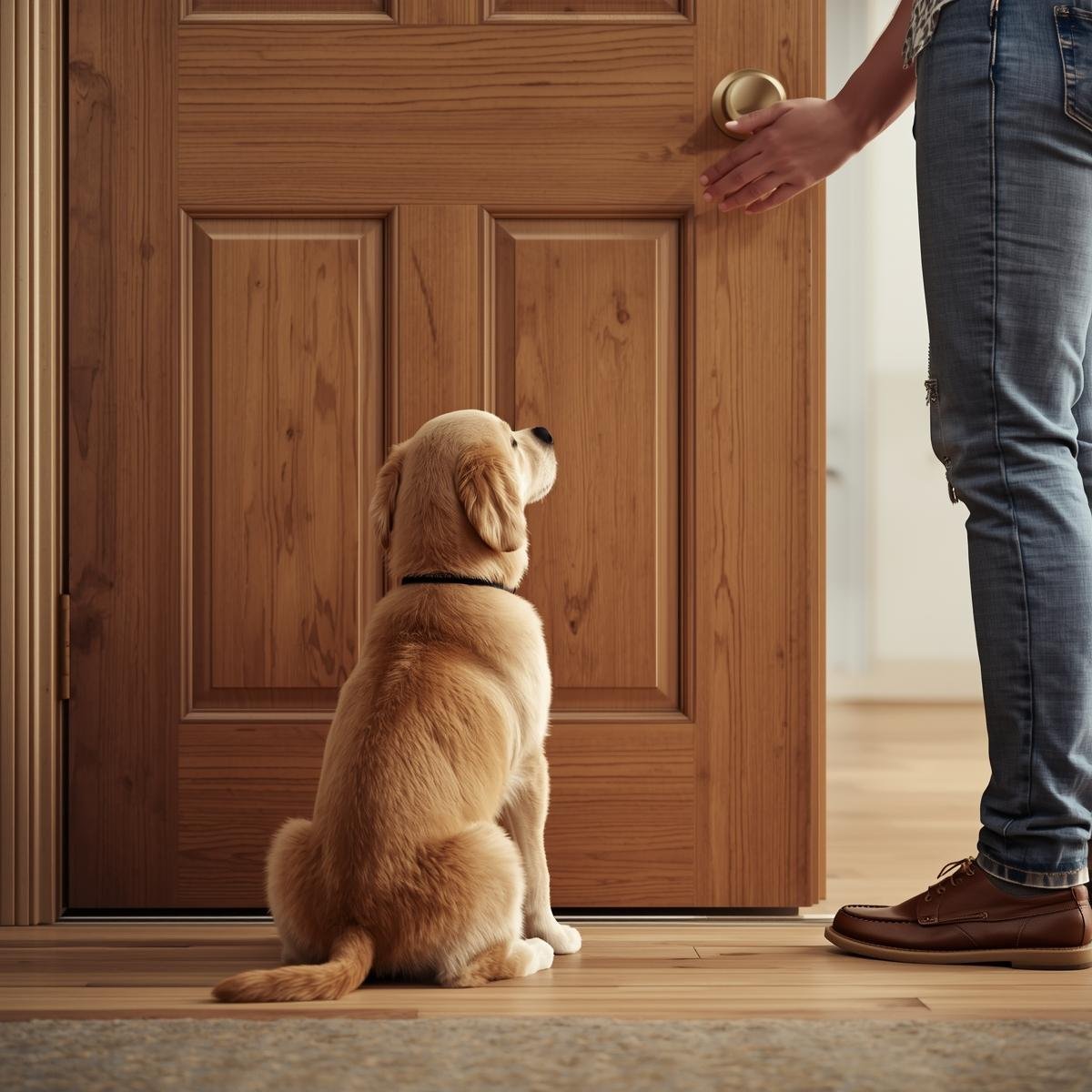
Teaching Stay Command
Stay builds impulse control.
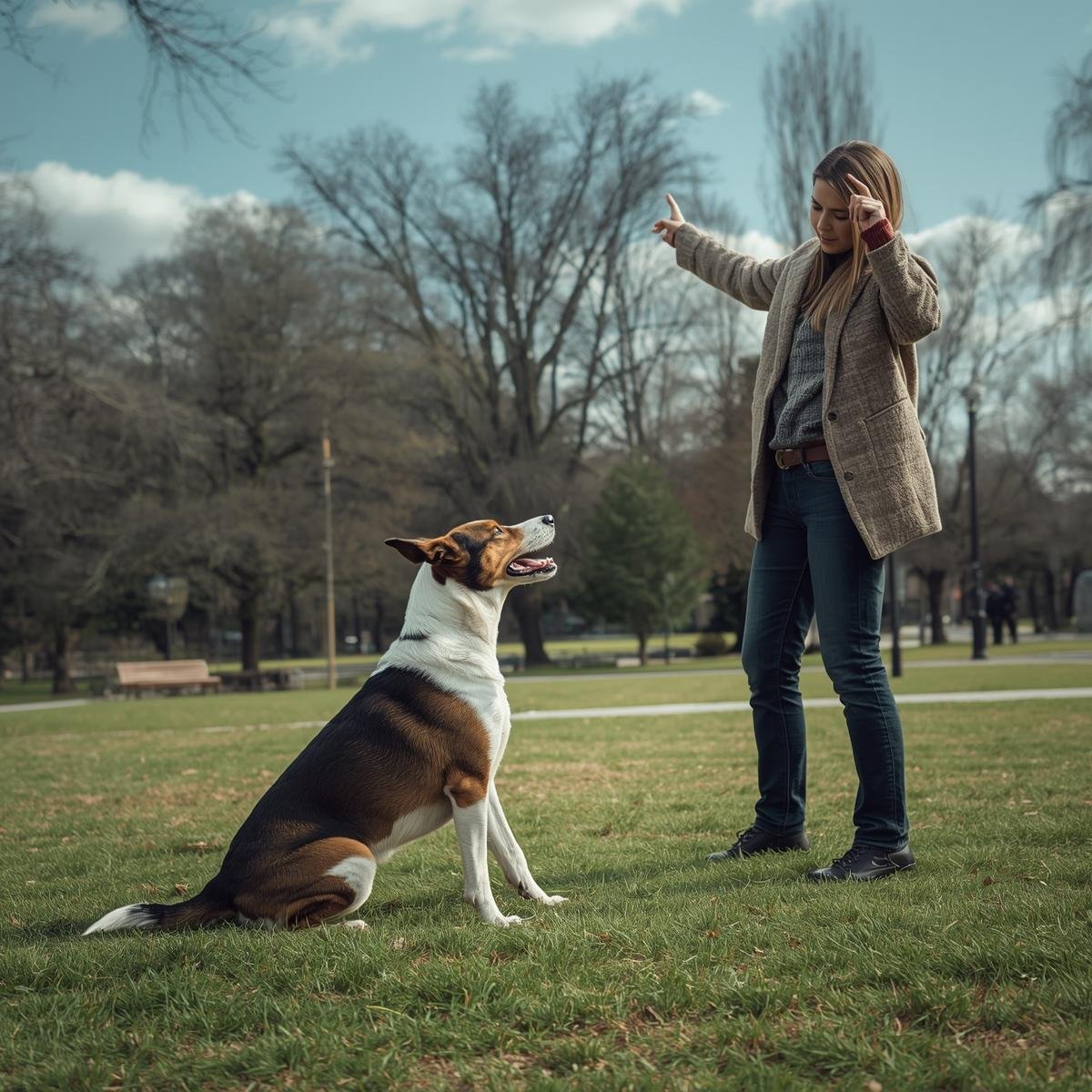
Steps:
- Ask the puppy to sit.
- Raise your hand in front of the puppy and say “stay.”
- Take one step back.
- If the puppy remains in place, reward.
Gradually increase distance and duration.
If the puppy breaks position, reset calmly without punishment.
Teaching Come Command
Come is important for safety.
Steps:
- Start in a quiet area.
- Move a short distance away.
- Say the puppy’s name followed by “come.”
- Reward when the puppy reaches you.
Never punish after calling the puppy. The command must always result in a positive outcome.
Managing Biting And Chewing
Puppies explore with their mouth. Biting during play is common but must be redirected.
When biting occurs:
- Stop interaction immediately.
- Provide a chew toy instead.
- Resume play only when calm behavior returns.
Chewing furniture can be prevented by:
- Limiting access to certain rooms
- Providing chew alternatives
- Supervising during free time
Potty Training And House Discipline
Potty training is part of house rules. Consistency prevents accidents.
Guidelines:
- Take the puppy outside after waking, eating, and playing.
- Use the same outdoor location.
- Reward immediately after elimination.
Accidents inside should be cleaned without punishment. Yelling does not teach the correct location.
Using Positive Reinforcement
Positive reinforcement strengthens behavior.
Rewards can include:
- Small food treats
- Verbal praise
- Play time
- Physical affection
Reward must follow the correct action immediately. Timing influences learning.
Avoid harsh correction. Discipline means guidance, not fear.
Preventing Jumping On People
Jumping often happens during excitement.
Training method:
- Ignore jumping behavior.
- Turn away without eye contact.
- Reward once all paws are on the ground.
Consistency from all visitors is necessary.
Leash Introduction Indoors
Before outdoor walks, allow the puppy to wear a leash indoors.
Steps:
- Attach leash for short periods.
- Let the puppy move freely.
- Reward calm walking beside you.
This builds familiarity before exposure to outside distractions.
Building Trust Through Structure
Obedience and house rules are not about dominance. They create predictability. When a puppy knows what to expect, stress reduces.
Trust grows when:
- Commands are clear
- Rewards are consistent
- Correction is calm
- Routine remains stable
A structured environment builds security.
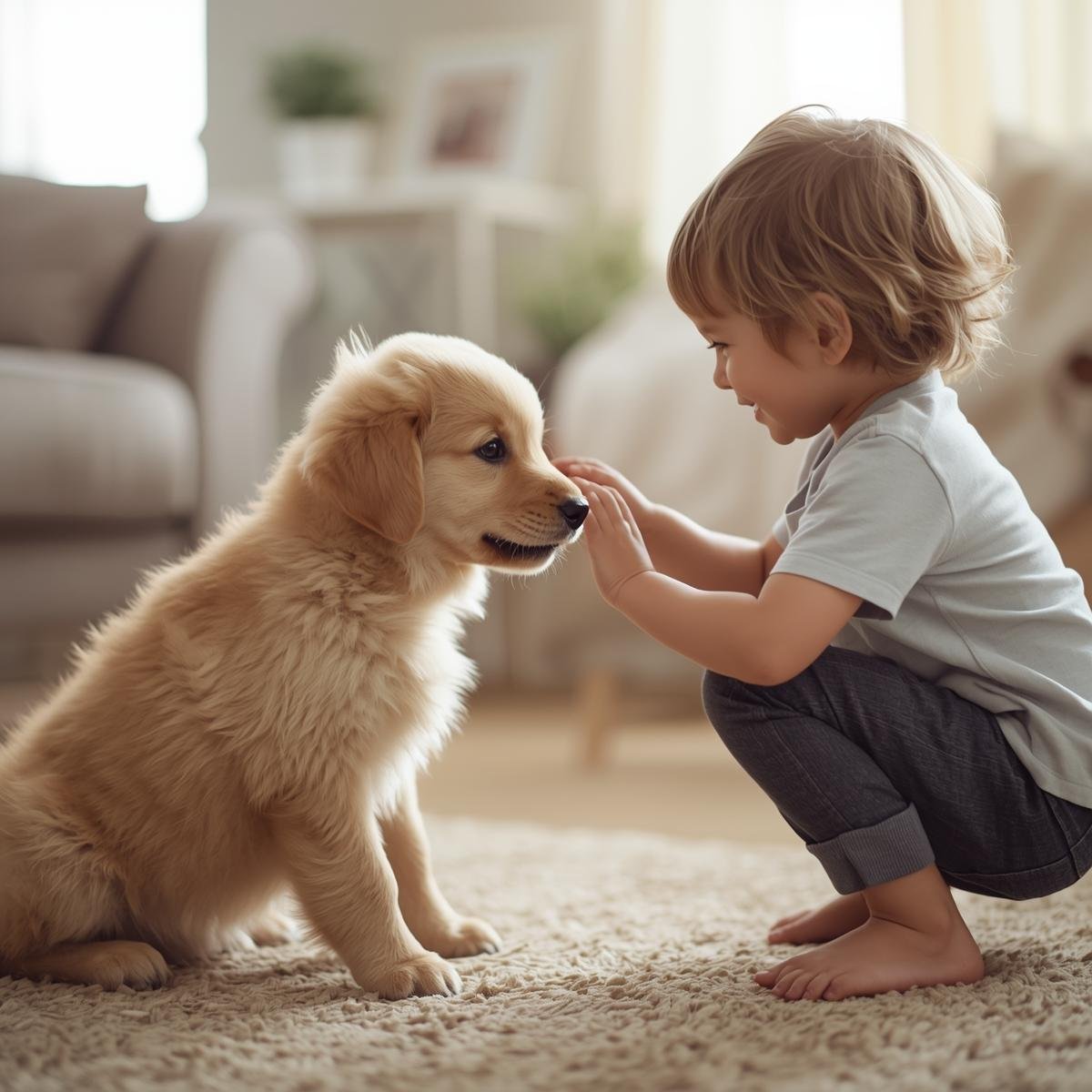
Social Exposure And Boundaries
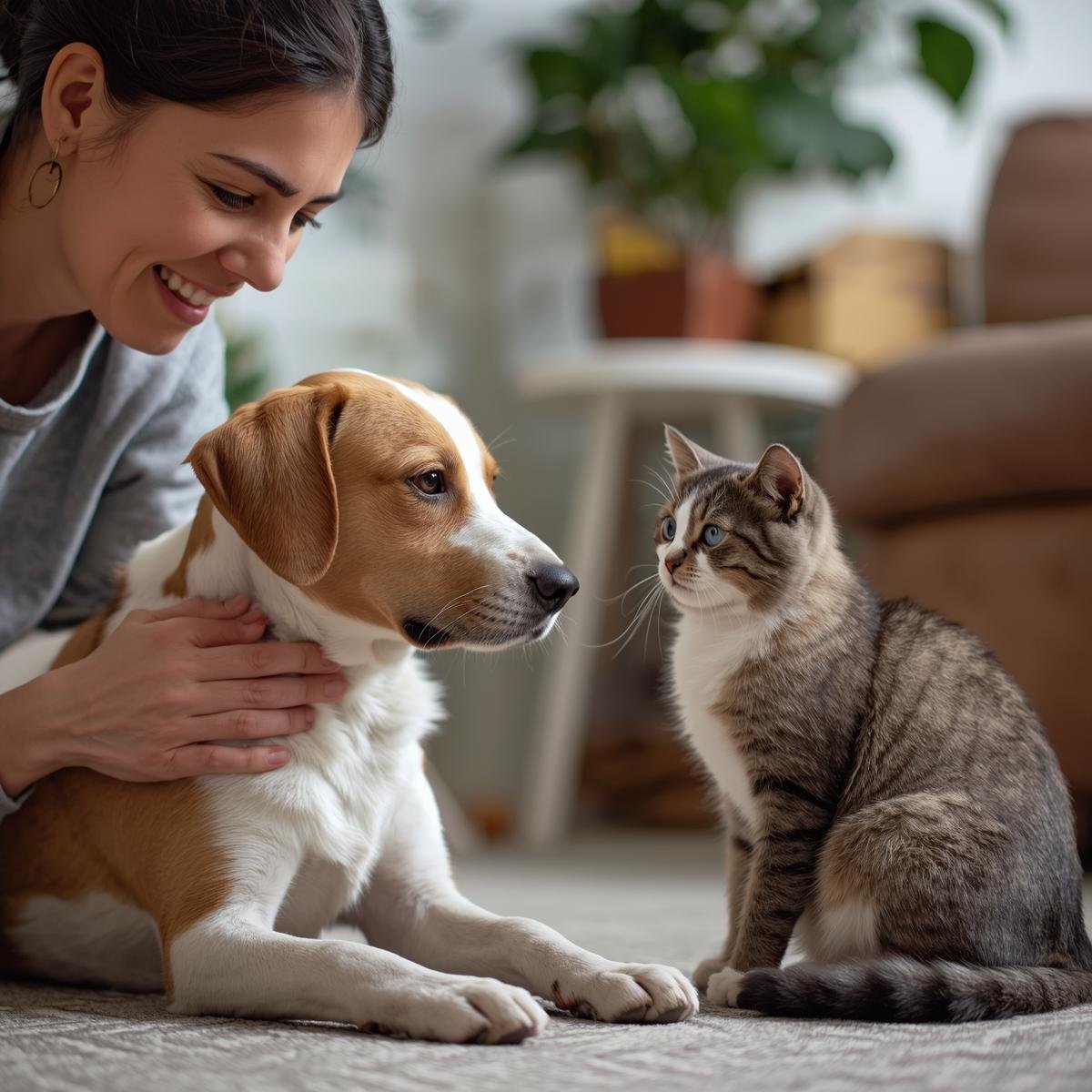
While teaching house rules, expose the puppy to controlled social settings.
Examples:
- Meeting new people calmly
- Hearing different sounds
- Walking on various surfaces
Exposure combined with obedience prevents fear responses.
Avoiding Common Training Mistakes
Common errors include:
- Inconsistent commands
- Repeating commands without follow through
- Punishing after delay
- Expecting fast results
Training requires patience. Repetition shapes behavior over time.
Tracking Progress
Progress can be tracked by observing:
- Response time to commands
- Reduction in accidents
- Calm behavior during greetings
- Ability to stay in place longer
Celebrate improvement through reinforcement.
When To Seek Professional Guidance
If a puppy shows:
- Persistent aggression
- Extreme fear
- Lack of response to training
A professional trainer can assess and guide behavior correction.
Early intervention prevents long term issues.
Long Term Benefits Of Obedience And House Rules
Training during early development leads to:
- Safe outdoor control
- Social behavior
- Reduced destructive actions
- Strong bond between owner and dog
Obedience supports freedom. A trained dog gains more privileges because it responds reliably.
Maintaining Discipline As The Puppy Grows
Training does not end after initial success.
Continue:
- Daily short sessions
- Reinforcement of house rules
- Structured exercise
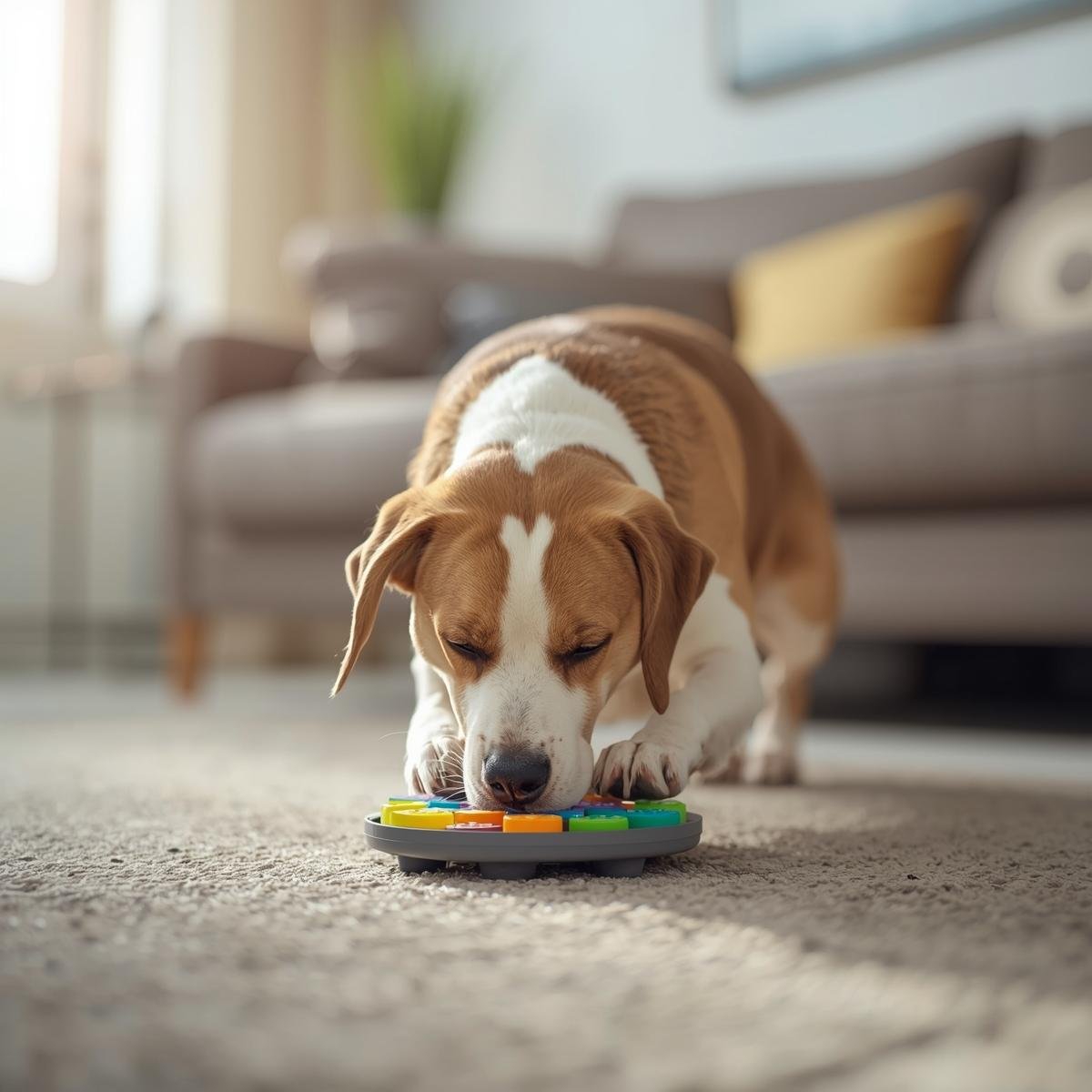
- Mental stimulation activities
Adolescence may test limits. Stay consistent.
Final Thoughts On Puppy Training Guide For Obedience And House Rules
Obedience training builds communication. House rules create order. Together they form the foundation for a balanced life with your dog.
Start early. Stay consistent. Reward correct behavior. Maintain routine. Build trust through structure. Over time, obedience becomes habit, and discipline becomes part of daily life.

Leave a Reply