

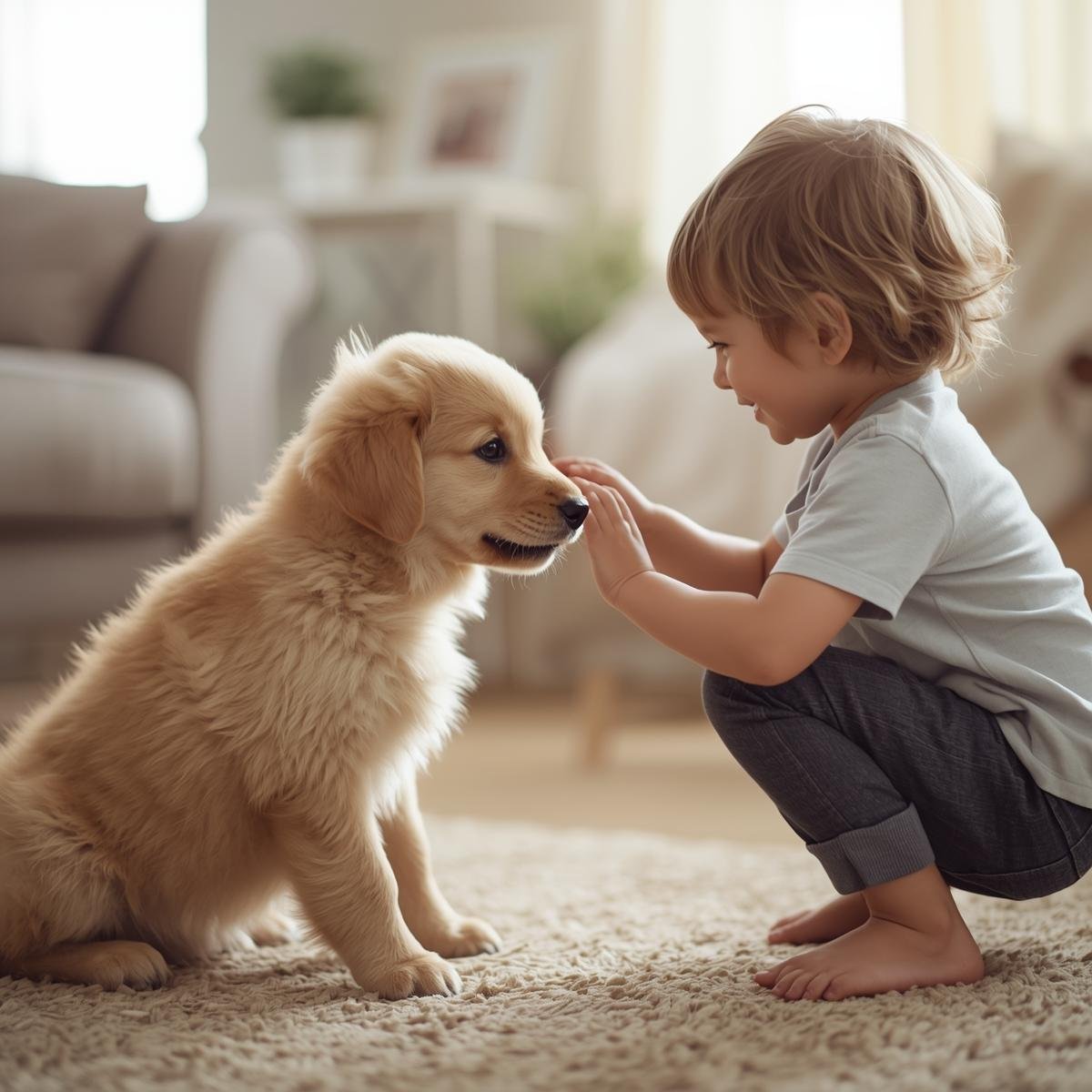
Socialization training for puppies during early development plays a central role in shaping behavior, communication, and long term stability. The early stage of a puppy’s life influences how it reacts to people, animals, sounds, environments, and daily experiences. Proper socialization reduces fear responses, lowers risk of aggression, and supports balanced behavior in adulthood.
This guide explains how to approach puppy socialization using structured exposure, routine interaction, and controlled experiences.
What Is Puppy Socialization
Puppy socialization is the process of introducing a young dog to various experiences in a controlled and positive manner. These experiences include:
- Meeting different people
- Interacting with other vaccinated dogs
- Exposure to sounds
- Exposure to surfaces
- Handling by humans
- Visiting different environments
Socialization does not mean overwhelming the puppy. It means gradual exposure with supervision.
The Critical Socialization Period
The primary socialization window occurs between 3 and 16 weeks of age. During this period, puppies are more receptive to new experiences. Positive exposure during this stage builds confidence and reduces fear later in life.
Delaying socialization may result in hesitation, fear reactions, or defensive behavior in adulthood.
Goals Of Early Socialization Training
The main goals include:
- Building comfort around people
- Developing tolerance to handling
- Reducing reaction to common sounds
- Teaching calm interaction with other animals
- Encouraging adaptability
These goals support future obedience training and behavioral stability.
Safe Socialization Practices
Safety is important during early development. Puppies should only interact with:
- Vaccinated dogs
- Supervised environments
- Clean spaces
- Controlled play sessions
Avoid high traffic dog parks before full vaccination.
Introducing New People
Expose puppies to:
- Adults
- Children
- People wearing hats
- People with glasses
- Individuals using mobility aids
Encourage calm interaction. Reward relaxed posture. Avoid forcing contact.
Exposure To Sounds
Gradually introduce common sounds such as:
- Doorbell
- Vacuum
- Traffic
- Thunder recordings
- Household appliances
Start at low volume and increase gradually. Pair exposure with treats to build neutral association.
Surface And Environment Exposure
Allow puppies to walk on:
- Grass
- Pavement
- Tile
- Carpet
- Wooden floors
Visit controlled environments such as:
- Quiet parks
- Pet friendly stores
- Car rides
Short visits help build adaptability.
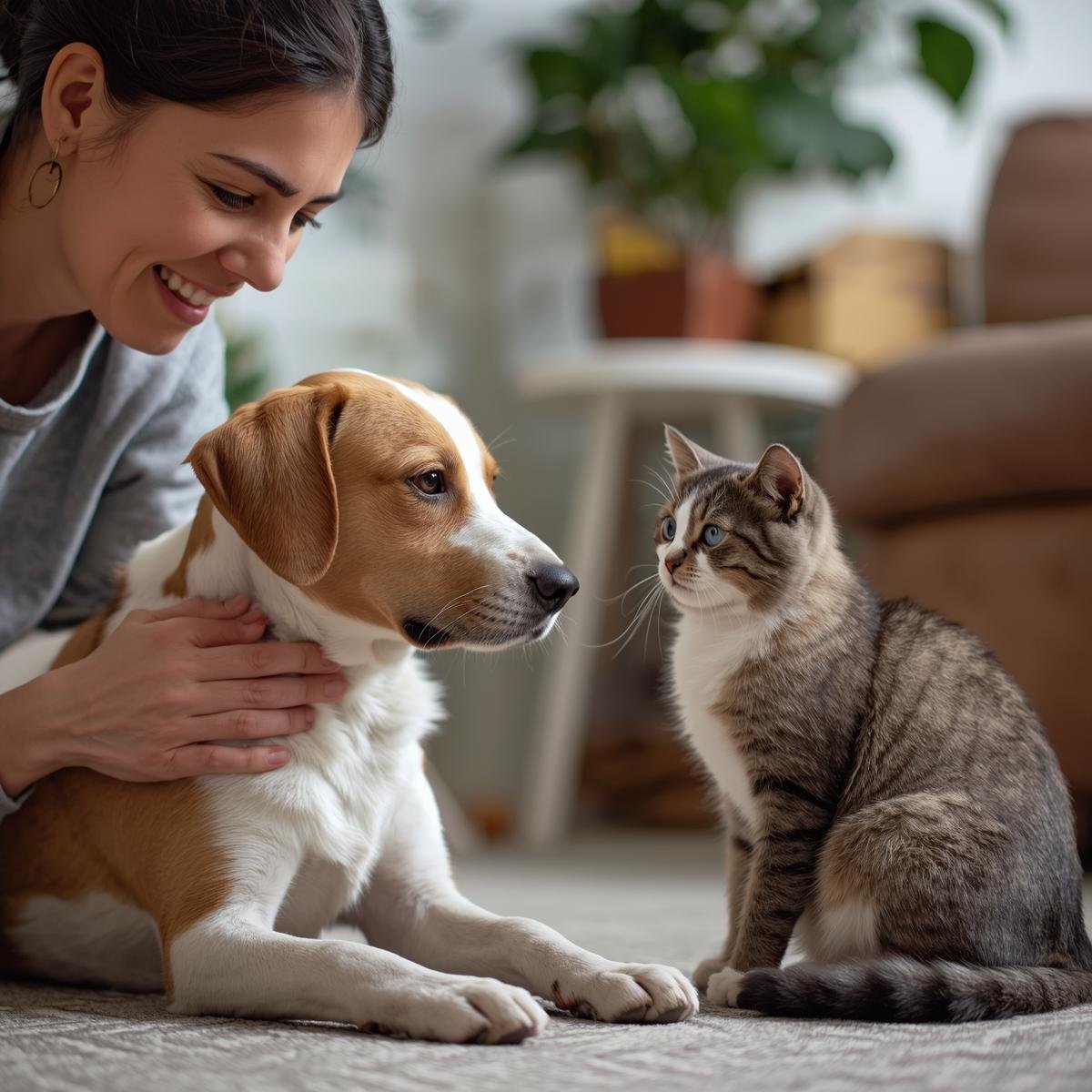
Controlled Interaction With Other Dogs
Arrange meetings with balanced adult dogs or other vaccinated puppies. Supervise interaction and observe body language.
Healthy interaction includes:
- Play bow
- Loose body posture
- Short chase
- Pause and reset
Interrupt play if tension appears.
Handling And Touch Training
Handling training reduces stress during grooming and veterinary visits. Practice:
- Touching paws
- Examining ears
- Brushing fur
- Light restraint
- Checking teeth
Pair each session with rewards.
Preventing Fear During Socialization
Never force a puppy toward something it avoids. Instead:
- Increase distance
- Allow observation
- Reward calm behavior
- Approach gradually
Forcing exposure may create fear instead of confidence.
Structured Socialization Plan
Create a weekly plan including:
Week 1
- Meet two new people
- Walk on two new surfaces
- Hear one new sound
Week 2
- Visit one new location
- Short car ride
- Controlled dog interaction
Gradual expansion builds familiarity.
Teaching Calm Behavior During Excitement
Socialization is not only exposure but also behavior control. Teach:
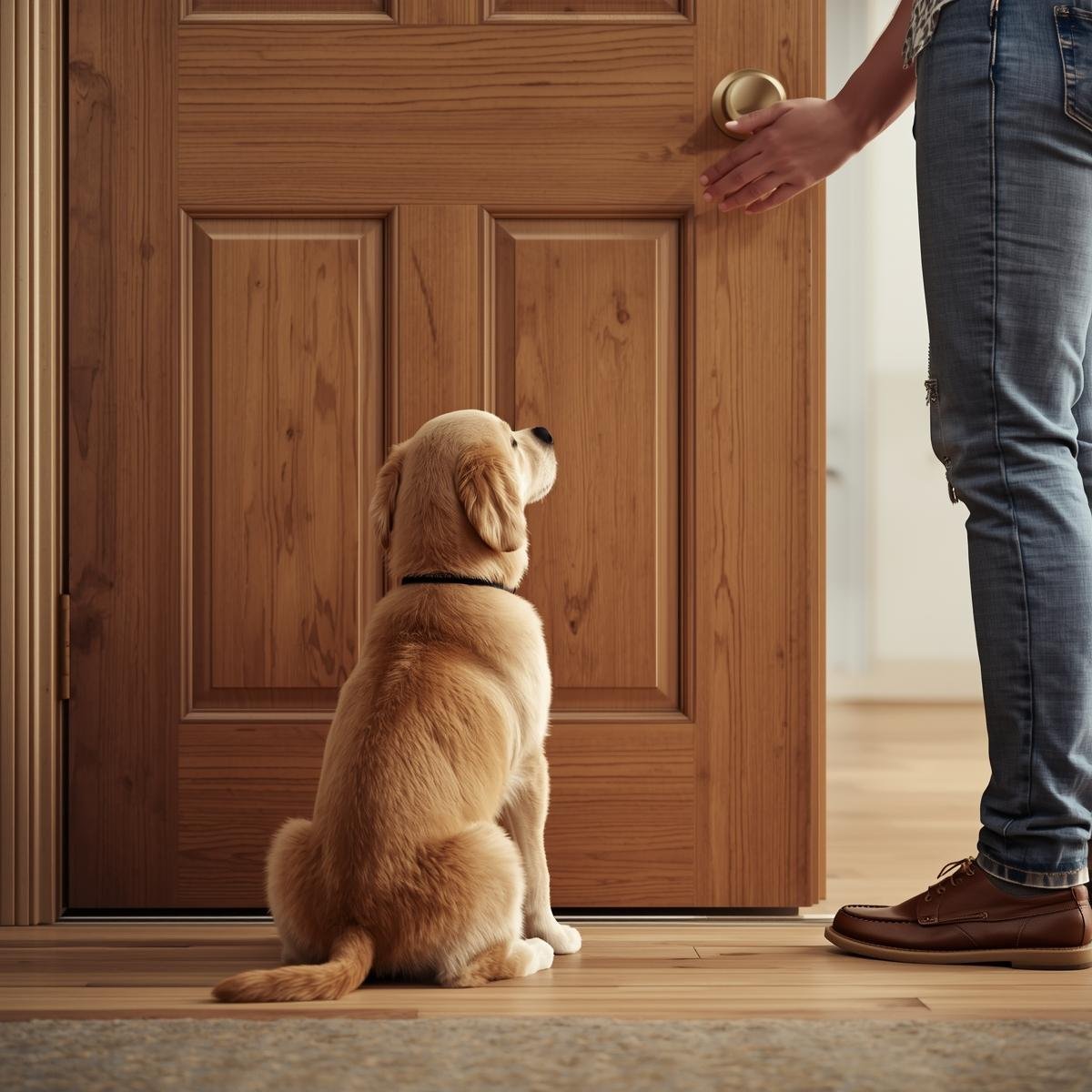
- Sit before greeting
- No jumping
- Calm leash walking
Reward self control consistently.
Monitoring Body Language
Observe signs of comfort:
- Loose tail movement
- Relaxed ears
- Normal breathing
- Curious approach
Signs of stress include:
- Tucked tail
- Avoidance
- Excessive yawning
- Whining
Pause exposure if stress appears.
Socialization And Obedience Connection
Early socialization supports future obedience training. A puppy comfortable in different environments responds better to commands in public spaces.
Combine socialization with:
- Name recognition
- Recall practice
- Sit and stay
- Leash training
Integration strengthens results.
Role Of Positive Reinforcement
Reward calm and confident responses using:
- Small treats
- Verbal praise
- Gentle petting
Reinforcement builds association between exposure and positive outcome.
Avoiding Overstimulation
Limit sessions to short durations. Puppies tire quickly. Overexposure may lead to stress or negative reactions.
Multiple short sessions are more effective than one long session.
Common Socialization Mistakes
- Skipping early exposure
- Forcing interaction
- Ignoring stress signals
- Allowing rough play
- Inconsistent experiences
Avoiding these mistakes increases success.
Tracking Socialization Progress
Keep a log of:
- New experiences
- Reaction level
- Recovery time
- Improvement notes
Progress tracking ensures balanced exposure.
Long Term Impact Of Early Socialization
Puppies exposed to structured socialization often grow into dogs that:
- Adapt to change
- Interact calmly with people
- Handle travel
- Remain stable in public settings
Early effort reduces future behavior correction needs.
Conclusion
Socialization training for puppies during early development builds the foundation for balanced behavior. Through structured exposure, controlled interaction, and consistent reinforcement, owners can guide puppies toward stable adulthood. Early investment in socialization prevents fear based reactions and supports confident behavior throughout life.

Leave a Reply