

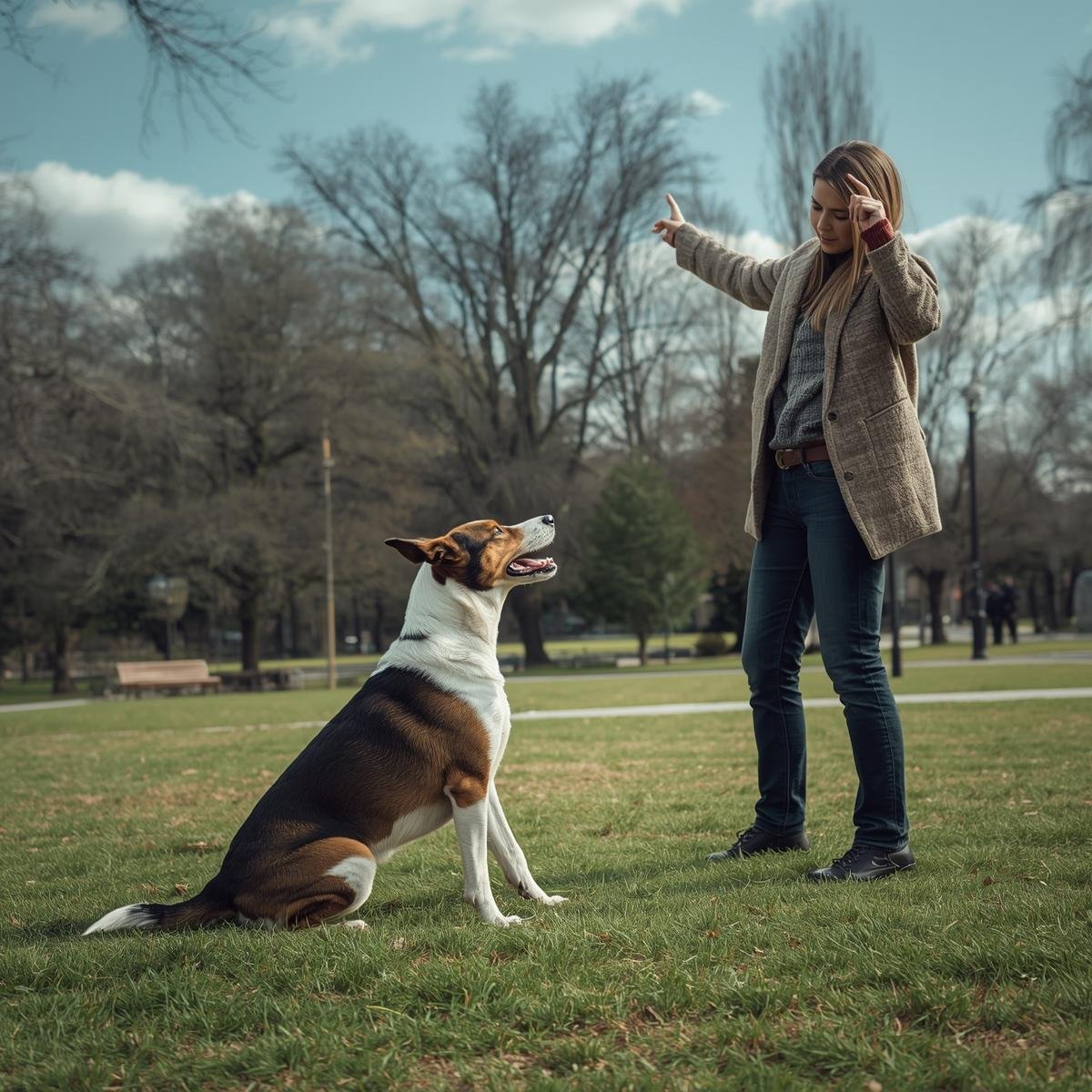
Teaching basic commands sit stay and come forms the foundation of dog obedience training. These commands create communication between owner and dog. They improve safety, strengthen control, and support behavior management inside and outside the home.
Training does not require force. It requires repetition, timing, and structure. When practiced daily, these commands become reliable responses that support long term discipline.
Why Basic Commands Matter
Basic commands are not only for performance. They help prevent accidents, reduce stress during walks, and support social behavior in public settings.
Benefits include:
- Improved recall during outdoor activities
- Control in crowded environments
- Reduced jumping and rushing behavior
- Better focus during distractions
- Clear communication between owner and dog
A dog that responds to sit stay and come can safely enjoy more freedom.
Preparing For Training Sessions
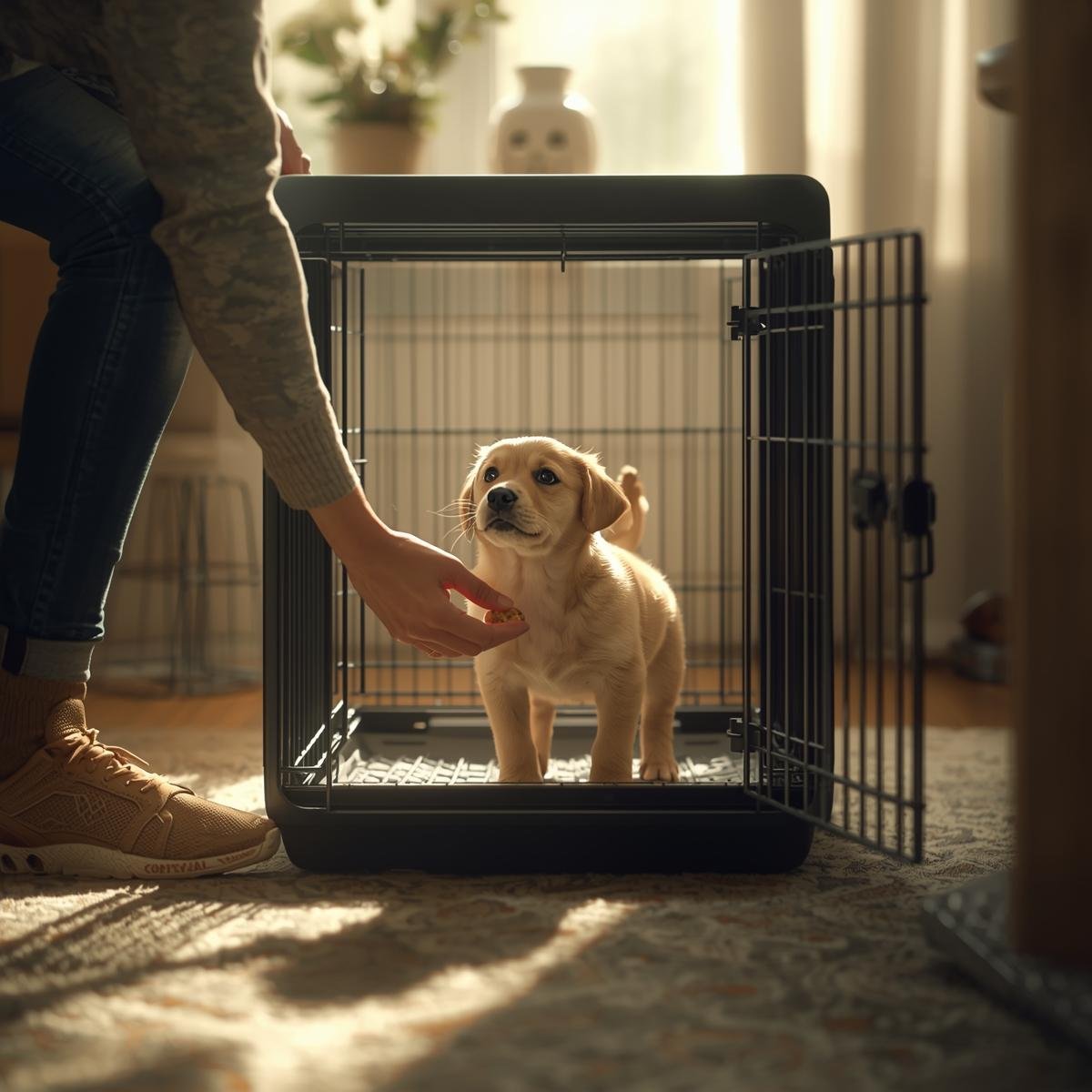
Before starting, prepare a quiet training area. Limit distractions during early sessions. Keep small treats ready for reinforcement. Use short sessions of five to ten minutes several times per day.
Training works best when:
- The dog is not overly tired
- The dog is slightly hungry for treat motivation
- The environment is calm
- Commands are given clearly
Consistency builds learning speed.
Teaching The Sit Command Step By Step
Sit is often the first command introduced because it is simple and useful in many situations.
Step 1: Gain Attention
Call the dog’s name. Wait for eye contact.
Step 2: Use A Treat As Guide
Hold a treat near the nose and move it upward slowly. As the head lifts, the rear lowers naturally.
Step 3: Say The Command
Once the dog sits, say the word “sit” clearly and reward immediately.
Step 4: Repeat
Practice multiple times daily in short sessions.
Using Sit In Daily Life
Ask for sit before:
- Feeding
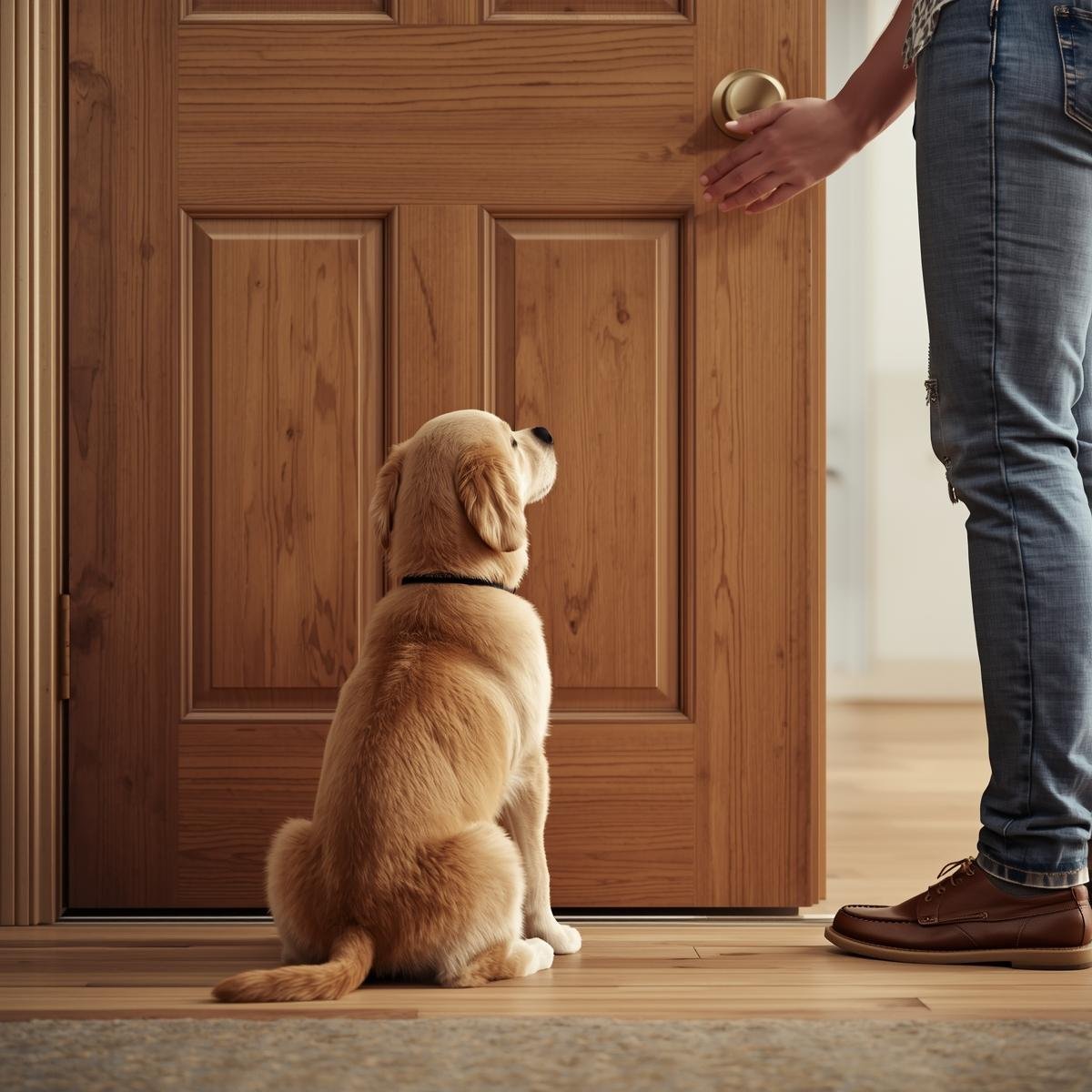
- Opening doors
- Putting on leash
- Greeting visitors
Using the command in routine situations reinforces obedience.
Teaching The Stay Command Step By Step
Stay builds impulse control and patience. It teaches the dog to hold position until released.
Step 1: Start With Sit
Ask the dog to sit.
Step 2: Hand Signal
Raise your palm toward the dog and say “stay.”
Step 3: Take One Step Back
If the dog remains in position, return and reward.
Step 4: Increase Distance Gradually
Add more steps and increase time slowly.
If the dog moves, calmly reset and try again. Avoid repeating the command multiple times. Clear instruction followed by reward improves understanding.
Adding A Release Word
Stay should always end with a release word such as “okay.” This tells the dog when movement is allowed. Without a release word, the dog may break position randomly.
Practice:
- Say stay
- Wait a few seconds
- Say release word
- Reward movement after release
This prevents confusion.
Teaching The Come Command Step By Step
Come is one of the most important commands for safety.
Step 1: Start Indoors
Use a quiet room with limited distraction.
Step 2: Short Distance
Move a few steps away. Say the dog’s name followed by “come.”
Step 3: Encourage Movement
Open your arms slightly or lower your posture.
Step 4: Reward Immediately
When the dog reaches you, reward with treat and praise.
Never punish a dog after calling it to come. The command must always be positive. If punishment follows recall, the dog may avoid returning next time.
Practicing Recall Outdoors
After indoor reliability improves:
- Use a long training lead in a park
- Practice recall at short distances
- Gradually increase space
- Reward every successful response
Outdoor recall requires repetition due to distractions such as people, sounds, and other animals.
Common Training Mistakes
Avoid these errors:
- Repeating commands without response
- Raising voice in frustration
- Using punishment for slow response
- Training for long periods without breaks
Learning requires patience. Short focused sessions produce better results.
Combining Sit Stay And Come
Once each command is understood separately, combine them.
Example exercise:
- Ask the dog to sit.
- Command stay.
- Walk a short distance away.
- Call the dog using come.
Reward after completion. This sequence strengthens obedience and control.
Using Positive Reinforcement
Positive reinforcement encourages repetition of behavior.
Rewards may include:
- Food treats
- Verbal praise
- Play
- Physical affection
Reward must follow immediately after correct action. Timing influences learning.
Gradually reduce food rewards over time while continuing verbal reinforcement.
Managing Distractions
Distraction training increases reliability.
Start with:
- Quiet indoor environment
Progress to:
- Backyard
- Public park
- Areas with mild activity
Increase difficulty slowly. If response weakens, reduce distraction level and practice again.
Teaching Consistency Across Family Members
All family members must use the same command words. For example, use “come” consistently instead of switching between “come here” and “get over here.”
Clear and consistent vocabulary prevents confusion.
Signs Of Progress
Progress can be observed when:
- Response time decreases
- Dog maintains eye contact during commands
- Stay duration increases
- Recall works even with distractions
Track improvement weekly.
Reinforcing Commands Throughout Life
Basic commands should not stop after early success. Continue using them daily.
Ask for sit before feeding. Use stay during door opening. Practice recall during walks.
Repetition strengthens habit.
When Professional Support Is Needed
If a dog shows:
- Refusal to respond
- Aggressive behavior during training
- Fear response
Consult a professional trainer for guidance.
Early correction prevents behavior escalation.
Long Term Benefits Of Teaching Basic Commands
Teaching sit stay and come supports:
- Safety during emergencies
- Calm behavior in public
- Improved communication
- Reduced stress during travel
- Greater freedom in open spaces
Obedience creates trust and confidence between owner and dog.
Conclusion
Teaching basic commands sit stay and come builds the structure of dog training. These commands support safety, discipline, and daily communication. With repetition, patience, and consistent reinforcement, a dog learns to respond reliably in many situations.
Training is not about control alone. It is about building understanding. When communication improves, the relationship between owner and dog strengthens for life.



Leave a Reply